
Hamamelis Virginiana: Uses, Benefits & How It Helps Your Skin?
Hamamelis Virginiana is the botanical name for witch hazel, and in skincare it's mostly used as a gentle astringent. It helps tighten the look of pores, calm redness, and keep oil in check. Most people meet it in a toner or cleanser, not as a standalone product.
Flip over almost any toner bottle in your bathroom cabinet and there's a decent chance "Hamamelis Virginiana Extract" or "Hamamelis Virginiana Water" is sitting somewhere in the ingredients list. Most of us just call it witch hazel and move on. It's not a new ingredient, and it's not trying to be exciting — it's one of those quiet workhorses that's been in skincare for decades, well before "botanical extract" became a label brands print in bold.
So what is it actually doing in your products, and is it worth paying attention to? Here's the honest version.
What Is Hamamelis Virginiana?
Hamamelis Virginiana is simply the Latin name for the witch hazel shrub, native to North America. You'll see it written this way on ingredient labels because that's the required INCI name — the standardized naming system cosmetic products use worldwide. So when a brand markets something as "witch hazel toner," the fine print will read Hamamelis Virginiana.
Manufacturers usually extract it from the bark, twigs, or leaves through steam distillation, which is how you get that clear, faintly woodsy-smelling liquid most people recognize as witch hazel water. The tannins in the plant are really what give it its properties — they're the reason it has that tightening, calming effect on skin.
Hamamelis Virginiana Uses
It shows up in more corners of your routine than you'd think. A few of the more common ones:
-
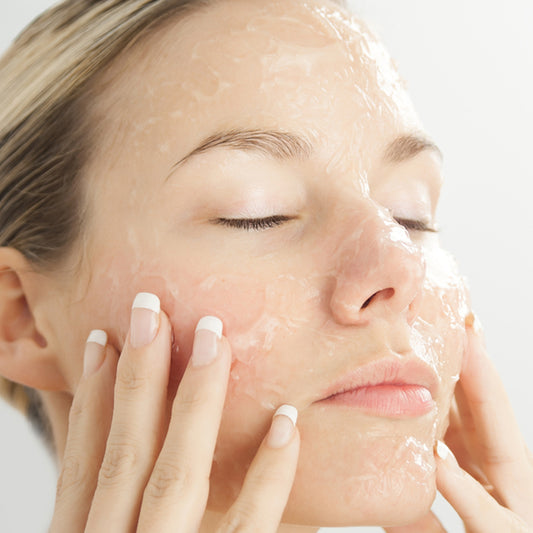
Toners and facial mists, the classic use, applied after cleansing
-
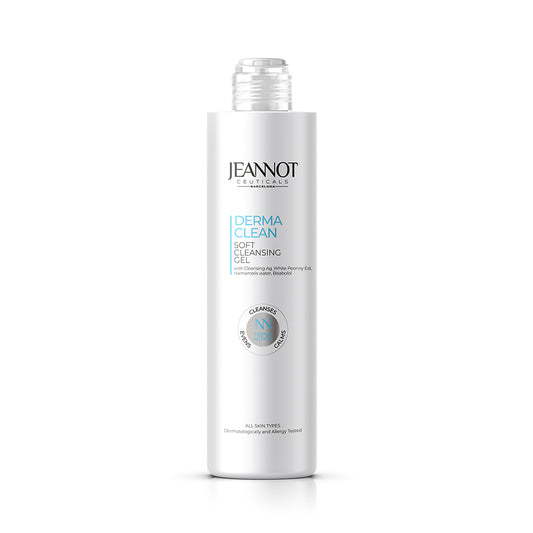
Cleansers and micellar waters, where it adds a mild astringent effect while lifting off makeup and grime
-
After-shave or post-waxing products, since it calms skin right after friction
-
Spot treatments dabbed on a blemish to bring down redness and swelling
-
Under-eye products, for that de-puffed, cooled-down look
-
Soothing gels for small irritations like bug bites or minor nicks
There's also a long history of witch hazel being used outside of cosmetics, in home remedies for minor skin inflammation. That's not really what we're covering here though — this is about the skincare side of things.
Hamamelis Virginiana for Skin: What's Actually Happening
When people ask what this ingredient does for skin, it really comes down to a few things working together.
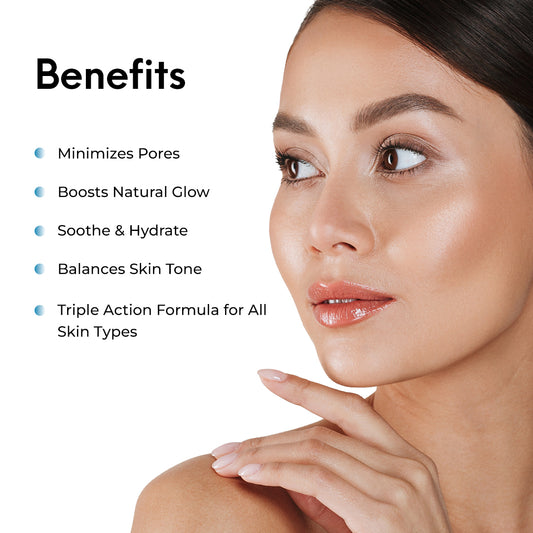
It's an astringent, first and foremost. The tannins cause a mild, temporary tightening of the skin's surface, which is why people associate witch hazel with smaller-looking pores and a firmer texture immediately after application. It's not permanent, but the effect is real enough that you'll notice it.
It also calms inflammation. This is probably the reason it's stuck around in skincare for so long — when skin is red, reactive, or just had a rough day (a fresh breakout, some post-shave irritation), witch hazel tends to be one of the first things people reach for.
And it helps with oil control. Because of that same astringent quality, it can reduce the shiny appearance , which is why you'll often find it in products aimed at oily or combination skin.
One thing worth saying plainly: witch hazel isn't magic, and not every formula containing it is automatically gentle. Some traditional witch hazel products are distilled with alcohol, and that can leave skin feeling tight or dry, especially with regular use. The plant extract on its own, in a well-formulated, alcohol-free product, tends to be mild — but check the full ingredient list rather than assuming, and patch-test anything you haven't used before.
Hamamelis Virginiana Benefits at a Glance
|
Benefit |
Why It Matters |
|
Minimizes the look of pores |
Tannins create a mild, temporary tightening effect |
|
Reduces redness |
Anti-inflammatory action calms visibly irritated skin |
|
Controls excess shine |
Astringent properties help manage oil through the day |
|
Soothes minor irritation |
Long used to calm bites, razor bumps, post-wax skin |
|
Refreshes skin |
Common in toners for that just-cleansed feeling |
|
Gentle enough for daily use |
Works well in leave-on toners and everyday cleansers |
Who It Works Best For?
Oily, combination, and blemish-prone skin tends to get along best with witch hazel. If your skin leans dry or sensitive, go for alcohol-free formulations specifically — the extract itself is usually fine, but alcohol-based witch hazel products can undo any calming benefit by drying skin out.
And if you've got skin that reacts easily to new things, do the usual: patch-test on your inner arm a day before you put it anywhere near your face.
Working It Into Your Routine
Nothing complicated here:
-
Cleanse as you normally would
-
Sweep on a witch hazel toner with a cotton pad or clean hands
-
Layer a hydrating serum on top to put moisture back
-
Finish with a moisturizer suited to your skin type
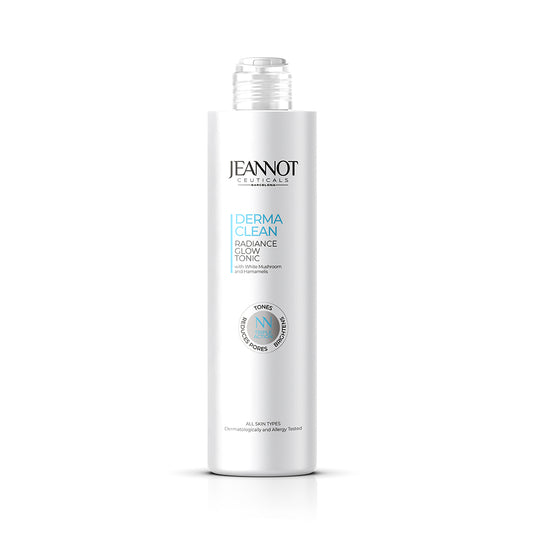
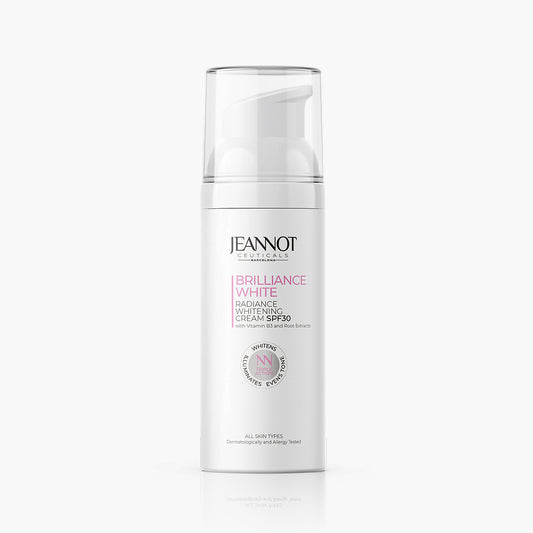
If your skin runs oily or feels congested by midday, Jeannot Ceuticals' Cleansers + Toners range is a reasonable place to start. The Radiance Glow Tonic is made to refresh and refine skin's texture without stripping it, so it pairs naturally with this step.
The Bottom Line
Hamamelis Virginiana isn't flashy, and honestly, it doesn't need to be. It calms redness, keeps oil in check, and leaves skin feeling refreshed — three things that quietly matter more than most trending ingredients ever will. If your skin tends to run oily, congested, or occasionally irritated, it's worth checking whether your next toner or cleanser has it on the label.
What works best still comes down to your own skin, though. Pay attention to how it responds, and patch-test before committing to anything new.
Frequently Asked Questions
1. Is Hamamelis Virginiana the same as witch hazel?
Yes — it's just the Latin botanical name, and it's what you'll find printed in the ingredients list on packaging, even when the front label says "witch hazel."
2. Can it help with acne?
Indirectly, yes. It won't clear acne on its own, but it helps with two things that often go along with it — excess oil and redness — so it can be a useful supporting player alongside actual acne-care products.
3. Is it safe to use every day?
If it's alcohol-free, generally yes. If the product does contain alcohol, you're better off using it occasionally rather than twice daily, since that can dry skin out over time.
4. Does it dry out skin?
The plant extract by itself is fairly mild. It's the alcohol in some traditional formulas that causes dryness, not the Hamamelis Virginiana itself — which is why reading past the front label matters.
5. Can I use it alongside Vitamin C or Niacinamide?
Usually, yes, it layers fine with most other ingredients. If you're already working niacinamide into your routine, just introduce new products one at a time so you can actually tell what's doing what.
Tags:
Previous
How to Prepare Your Skin Before Makeup?
Next
Allantoin for Skin: Benefits, Uses and What It Actually Does?
Related articles

How to Get Rid of Clogged Pores on Face?
Oct 06 2026
How to Reduce Redness on Face?
Sep 23 2026
How to Reduce Excess Sebum Production on Face?
Sep 21 2026