
How to Reduce Redness on Face?
Facial redness is one of those things that seems like a small issue until it starts showing up in every photo. Sometimes it’s your cheeks, sometimes your nose or the sides of your chin. No matter how much concealer you use, the redness seems to peek through again by the afternoon.
To reduce redness on your face, the goal is to calm your skin rather than overload it with more products. You can start by applying a cool compress wrapped in a clean cloth to your face for 5 to 10 minutes. Along with that, use a gentle cleanser, cut back on strong actives for a while, keep your skin properly hydrated and wear a sunscreen that you can use every day.
Follow this routine consistently for two to three weeks, and you may start noticing a visible improvement in your skin.
But simply being told to "keep your skin gentle" isn't enough. So, let's understand why facial redness happens and what you can actually do to reduce it.
What Actually Causes Redness on the Face?
Honestly, facial redness is rarely caused by just one thing. It’s often your skin’s way of telling you that something isn’t quite right, and the reason can be different for everyone.
A damaged skin barrier is probably one of the most common causes. Over-exfoliating, layering three or four active ingredients at once, or washing your face with water that’s a little too hot can all strip the skin’s protective outer layer. This can leave your skin irritated, inflamed and more reactive than usual.
Sun exposure also plays a bigger role than most people realise. UV rays can damage collagen over time and cause the blood vessels close to the surface of your skin to become more noticeable. That’s one reason why some people find that their facial redness gets worse during the warmer months.
Then there’s rosacea, which is a different kind of problem. It’s a chronic skin condition that can cause persistent redness and flushing, along with visible small blood vessels. Some people may also develop small bumps that look similar to acne but aren’t quite the same thing.
Redness can also be triggered by an allergic reaction or irritation from a new skincare product, cream, detergent or even something that regularly comes into contact with your skin.
Cold winds and dry indoor heating can also take a toll on your skin during winter. And when acne starts to heal, it often leaves behind some redness or a flushed appearance for a while.
But why does the cause matter so much? Because how you treat facial redness genuinely depends on what’s causing it. Sunburned skin needs completely different care from rosacea-prone skin, while skin reacting to a new product may need a different approach altogether.
How to Reduce Redness on Face: A Simple Routine
This is the routine that tends to work for most everyday redness, whether it's sun-related, product-related, or just a generally reactive day.
1. Switch to a Gentle, Non-Foaming Cleanser
Foaming cleansers, especially those with sulfates, can strip away the natural oils your skin needs. This can make redness and irritation worse, even though your face may feel completely clean right after washing.
A soft, hydrating cleanser removes dirt and impurities without leaving your skin feeling tight or stripped.
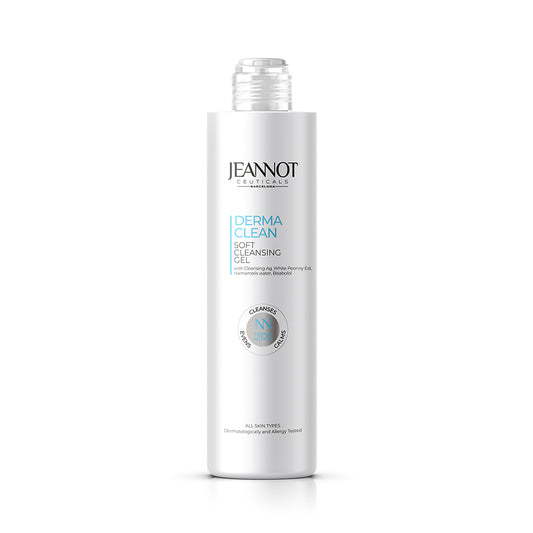
Our Soft Cleansing Gel is created with reactive, easily irritated skin in mind. It cleanses thoroughly without leaving your face feeling dry, tight or uncomfortable.
2. Skip the Actives for a While
Retinol, strong acids and high-strength vitamin C are not bad ingredients. They’re just not what your skin needs right now.
Pause these actives until the redness and irritation have settled down. Once your skin feels calm again, slowly introduce them back into your routine one at a time. This makes it easier to tell which ingredients your skin likes and which ones may be causing irritation.
3. Hydrate, Don't Overload
Here’s something people often miss: dry skin and reactive skin can often go hand in hand. When your skin is dehydrated, it can become more prone to irritation and flare-ups.
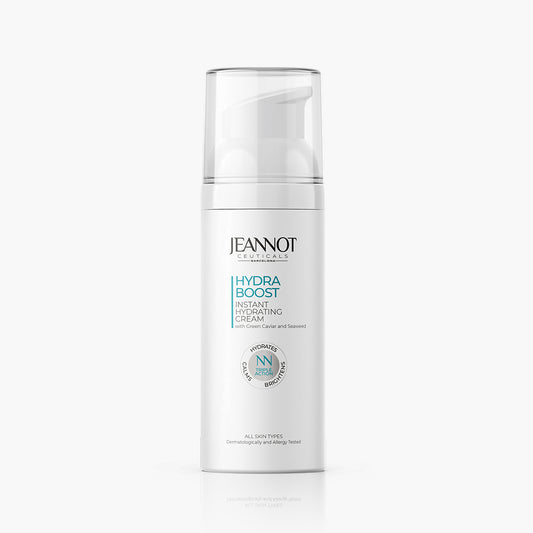
A lightweight moisturiser that supports the skin barrier without feeling heavy can make a real difference. For this, we’d recommend the Instant Hydrating Cream. It replenishes moisture without clogging pores, which is especially important when your skin is already irritated or feeling sensitive.
4. Never Skip Sunscreen
This is the step almost everyone skips, and it's arguably the one that matters most. UV exposure can keep redness lingering or trigger it again even after your skin has started to calm down.
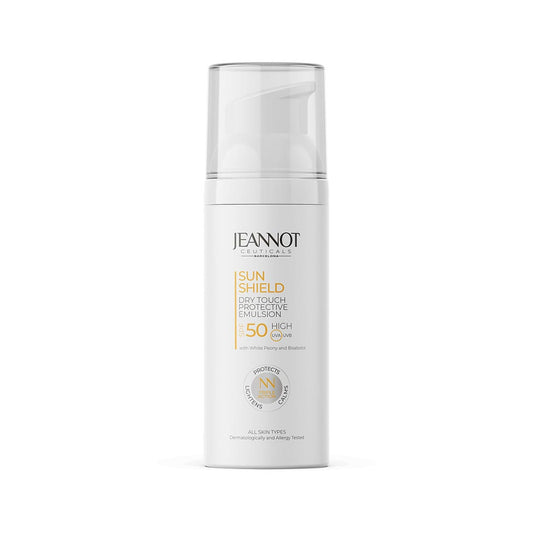
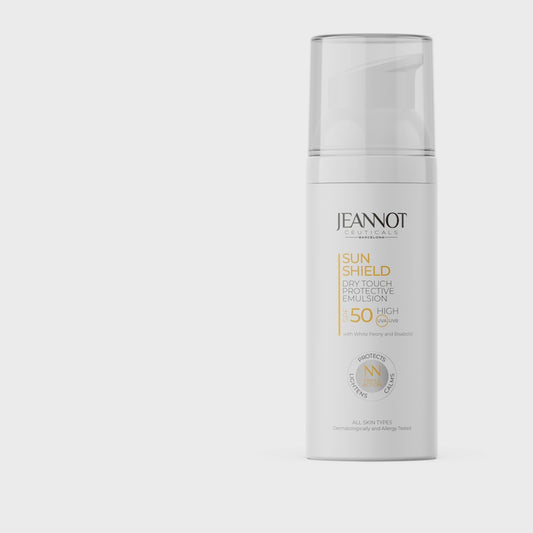
Wear a broad-spectrum SPF every morning- yes, on cloudy days too, yes, even if you're mostly indoors. If you've avoided sunscreen because it feels greasy or sits weird under makeup, try the Dry Touch Protective Emulsion SPF50. You can also browse the full Sun Protection range if you want to compare a few textures.
5. Cool It Down
Something as simple as applying a cold compress or splashing your face with cool water can temporarily constrict the blood vessels near the skin’s surface, making redness look less noticeable almost right away.
It won’t fix the underlying cause, but on a day when your redness is flaring up, or right before you need to leave the house, it can genuinely help calm the appearance of your skin.
How to Reduce Redness on Face Quickly
Sometimes you don’t have two weeks to wait. You need your skin to look calmer today, maybe within the next hour. If that’s the case, these quick fixes can help:
Press a cold, damp cloth gently against your face for two or three minutes. Use a moisturiser with soothing ingredients like Centella Asiatica, oat extract or aloe. Skip hot showers for now, and avoid spicy food or alcohol for a while, as both can widen blood vessels and undo some of the calming effect.
It’s also better to avoid makeup products containing alcohol or added fragrance while your skin is irritated. And if you need to cover the redness right away, a green-tinted colour corrector under your foundation can genuinely help neutralise the redness while your skin calms down.
These are useful quick, surface-level fixes, but they’re not a substitute for a consistent skincare routine.
Ingredients Worth Looking For
When you're reading the back of a bottle, look out for centella asiatica (also called Cica), which is genuinely good at calming inflammation and helping skin repair itself. Niacinamide helps strengthen the skin barrier over time, which can make redness less noticeable.
Hyaluronic acid hydrates the skin without causing irritation, which is exactly what compromised skin needs. If you want a skincare routine built around this ingredient, our Hyaluronic Acid range is focused on hydration and helping keep the skin comfortable. Green tea extract and oat extract are also commonly found in soothing skincare formulas, and for good reason.
Just as important is knowing what to avoid. Alcohol-based toners, physical scrubs, heavily fragranced products and anything that gives your skin that tingling, "it's working" sensation are best left on the shelf for now.
That tingling is almost never a good sign. It usually means your skin barrier is being irritated, not improved.
Common Mistakes That Make Redness Worse
Over-exfoliating because you think it will speed things up. Layering too many active ingredients at once because each one promises a different benefit. Washing your face with hot water because it feels good in the moment. Skipping sunscreen on a cloudy day or when you're staying indoors. And picking at a breakout, which can make it much more likely to leave redness behind once it heals.
These may seem like small habits, but they can quickly add up and leave your skin more irritated.
If sun damage is part of your skin concerns too, it's worth reading our how to remove tan from face guide. Redness and tanning can often appear together, and some of the same skincare habits can help manage both.
When to See a Dermatologist?
Occasional redness caused by sun exposure, weather changes or a new skincare product is usually something you can manage at home with time and patience.
But if you’re experiencing flushing that doesn’t seem to go away, small visible blood vessels, acne-like bumps that don’t respond to regular acne treatments, or redness that keeps coming back despite following a gentle skincare routine, it’s worth seeing a dermatologist.
A dermatologist can help determine whether it’s rosacea or another skin concern and recommend a treatment approach that’s suited to the underlying cause.
The Bottom Line
Reducing redness on the face doesn’t require a complicated skincare routine. It mostly comes down to being patient and simplifying your routine instead of constantly adding more products.
Gentle cleansing, proper hydration, daily sunscreen and taking a break from unnecessary actives can help your skin look noticeably calmer within a couple of weeks. If the redness still doesn’t improve, or feels persistent or unusual, it’s better to see a dermatologist rather than keep trying different products.
For more skin concerns explained in simple, easy-to-understand language, explore the rest of our Skincare Blog.
Frequently Asked Questions
1. How to reduce redness on face overnight?
You won't cure it completely overnight, but a cold compress, a soothing moisturiser with centella or oat extract, and a proper night's sleep will leave your skin noticeably calmer by morning.
2. Does drinking water help reduce redness on face?
It helps indirectly. Dehydrated skin tends to be more reactive and prone to flare-ups, so staying hydrated supports a calmer complexion over time, even if it's not an instant fix.
3. Can diet cause facial redness?
Yes, for a lot of people. Spicy food, alcohol, and hot drinks all widen blood vessels and can trigger temporary flushing. If you notice a pattern after certain meals, it's worth cutting back and watching how your skin responds.
4. Is redness on the face always rosacea?
No, not at all. Redness can come from sunburn, product irritation, allergies, acne, or just naturally reactive skin. Rosacea specifically involves ongoing flushing and visible blood vessels, and only a dermatologist can properly diagnose it.
5. What ingredients should I avoid if my face is red?
Steer clear of alcohol-based toners, strong exfoliating acids, physical scrubs, and heavily fragranced products until things have calmed down.
Tags:
Previous
How to Reduce Excess Sebum Production on Face?
Next
How to Get Rid of Clogged Pores on Face?
Related articles

How to Get Rid of Clogged Pores on Face?
Oct 06 2026
How to Reduce Excess Sebum Production on Face?
Sep 21 2026