




How to Get Rid of Clogged Pores on Face?
Does your nose still look “dirty” even right after washing your face?
It might not be dirt at all. It could be clogged pores.
Those tiny dark spots, rough patches, or little bumps you notice on your nose and face can happen when excess oil, dead skin cells, and impurities build up inside your pores.
And clogged pores aren’t limited to oily skin. Oily, dry, combination, or sensitive skin can all experience them.
The tricky part? Trying to fix them the wrong way can make things worse. Ignoring them for months or aggressively scrubbing your skin won’t give you the clean, smooth-looking skin you’re after.
So before you reach for that harsh scrub, let’s understand what’s really causing clogged pores and how to care for them properly.
What Are Clogged Pores?
Every pore on your face has a hair follicle underneath it, along with a tiny oil gland. Normally, this oil travels up to the skin’s surface and helps keep your skin from drying out.
The problem starts when that pathway gets blocked. Dead skin cells, excess oil, sweat, and leftover makeup can build up inside the pores instead of making their way out.
When this build-up gets trapped, it results in a clogged pore.
Depending on how the pore reacts with air and bacteria, it can turn into a whitehead, blackhead or even a pimple.
So, what are clogged pores? Simply put, they’re pores blocked by a build-up of oil, dead skin cells, and impurities.
Some people experience clogged pores more often than others. Oily skin can be more prone to them, while humid or polluted environments and frequent makeup use can also contribute to pore build-up.
What Do Clogged Pores Look Like?
Clogged pores don’t have just one specific appearance, which is why they can be easy to misidentify.
Sometimes, they show up as blackheads, those tiny dark dots you often notice around the nose or chin. And no, they aren’t dirt. They’re usually oil and dead skin cells that have oxidised after coming into contact with air.
Other times, they appear as whiteheads. The build-up is similar, but the pore remains closed, so it stays white or flesh-coloured instead of turning dark.
And sometimes, there’s no obvious bump at all. The pores may simply look larger or more noticeable, especially around the nose and forehead. Your skin may also feel slightly rough or bumpy when you run your fingers over it, even when nothing is clearly visible. This can happen when multiple smaller pores are clogged.
If you’re noticing any of these signs, it may be time to focus on a consistent skincare routine instead of constantly switching your face wash and hoping the problem disappears.
Why Do Pores Even Get Clogged?
Pores can get clogged for several reasons, and often, more than one factor is involved at the same time.
-
Oily skin, which can be influenced by genetics or hormones
-
Not properly removing sunscreen or makeup before bed
-
Not exfoliating regularly
-
Frequently touching your face without realising it
-
Exposure to pollution, dust, and other environmental impurities
-
Using heavy skincare or makeup products that don’t suit your skin type
That’s why making just one small change may not always be enough. Managing clogged pores often means looking at your overall routine and addressing multiple factors together.
How to Get Rid of Clogged Pores on Face?
Okay, now let’s talk about what actually helps.
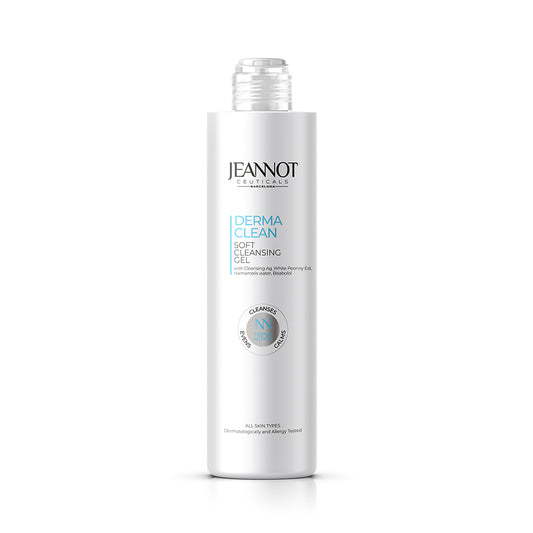
Double cleansing is more important than most people think, especially if you wear sunscreen or makeup during the day. One wash often isn’t enough to remove everything properly. Start with a cleansing gel, followed by your regular face wash. The Soft Cleansing Gel works well for this step as it cleanses without leaving the skin feeling stripped or tight.
Next comes exfoliation, but this is where you need to be careful not to overdo it. Dead skin build-up is one of the reasons pores get clogged, so regular exfoliation can help keep them clear. Chemical exfoliants are generally gentler than physical scrubs, which can irritate the skin and make the problem worse. Once a week is usually enough. Daily exfoliation is where many people run into trouble.
A clay mask once a week can also help. It can absorb excess oil and help remove build-up from the pores, beyond what your everyday cleanser can do. With consistent use, you may also notice your skin texture looking smoother.
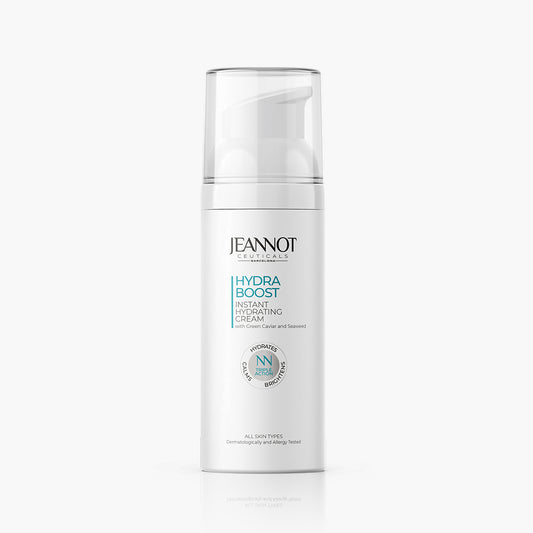
And don’t skip moisturiser, even if you have oily skin. When your skin becomes dehydrated, it may produce more oil to compensate, which can contribute to clogged pores. A lightweight, non-comedogenic moisturiser is a better choice. The Instant Hydrating Cream provides hydration without feeling heavy on the skin.
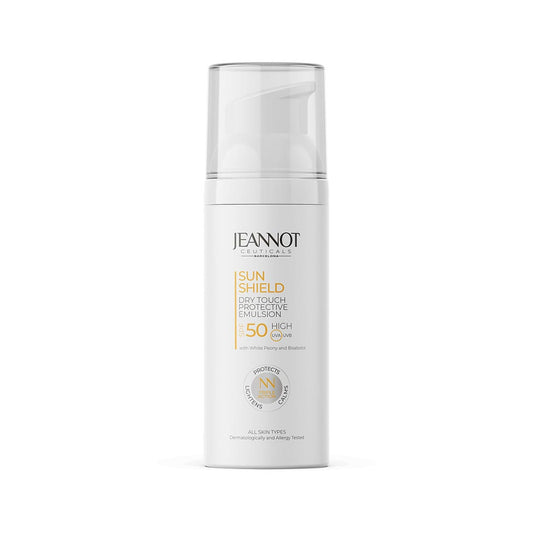
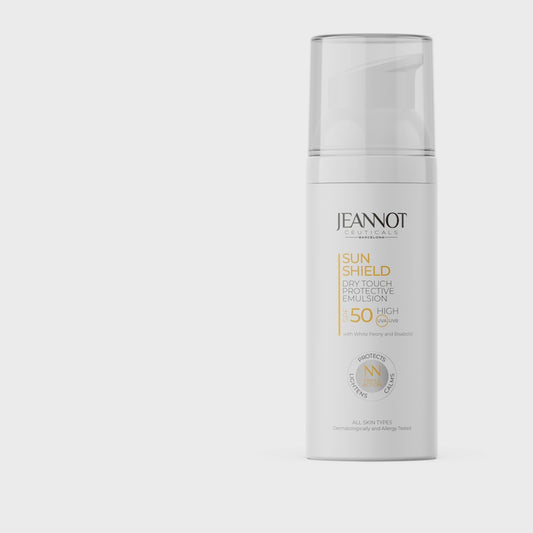
Sunscreen is non-negotiable, but the formula you choose matters. Sun exposure can affect the outer layer of the skin over time, which may make pores more prone to build-up. A lightweight, mattifying formula like the Dry Touch Protective Emulsion SPF50 protects the skin without feeling greasy or heavy.
And honestly, the most important part is consistency, not aggression.
When people notice clogged pores, the first instinct is often to scrub harder or wash their face more frequently. But over-cleansing and aggressive scrubbing can irritate the skin and disrupt its natural barrier.
When it comes to clogged pores, a consistent routine works better than an aggressive one.
Treat Clogged Pores the Smart Way
If clogged pores on your face keep coming back no matter what you do, it may be time to switch to a routine that is specifically designed for this concern instead of randomly mixing different products.
Jeannot Ceuticals has a Clogged Pores range specifically designed to target clogged pores. If you also have oily skin or acne-prone skin, you can explore our Oily Skin and Acne-Prone Skin ranges as well.
If excess oil is a major concern for you, take a look at our article on How to Reduce Excess Sebum Production on the Face. The two concerns often go hand in hand, so managing one can also help improve the other.
Final Thoughts
Honestly, clogged pores can feel like a bigger problem than they actually are. It’s tempting to panic and buy five new products in one week, but your skin doesn’t respond well to panic. It responds to consistency.
Cleanse properly, exfoliate without overdoing it, keep your skin hydrated, and wear sunscreen every day. These basics can go a long way when it comes to managing clogged pores.
The hardest part is patience. Clogged pores don’t appear overnight, so they won’t disappear overnight either. Give your routine at least 3–4 weeks before deciding that it isn’t working. And try not to switch products every few days out of frustration, as that can do more harm than good.
If your skin is still dealing with clogged pores after following a consistent routine, it may be time to choose products specifically formulated for this concern. The Clogged Pores range is a good place to start instead of guessing your way through different products.
At the end of the day, clear-looking pores aren’t about finding a perfect routine. They’re about finding a routine that works for your skin and one you can actually stick to.
Frequently Asked Questions
1. How long before I see results?
Give it a solid two to four weeks before judging anything. Texture tends to improve first, full clarity takes a bit longer depending on how long the buildup's been happening.
2. Do clogged pores clear up on their own?
Sometimes, if it's mild and you're already doing basic cleansing. But if it keeps coming back, that's usually a sign it needs an actual routine, not just time.
3. Is this the same as acne?
Not really. Clogged pores are often what acne starts from, but not every clogged pore turns into a breakout. Catching it early with proper cleansing and exfoliation can stop it before it escalates.
Tags:
Related articles

How to Reduce Redness on Face?
Sep 23 2026

How to Reduce Excess Sebum Production on Face?
Sep 21 2026