

How to Improve Skin Texture on Face: 9 Fixes for Smoother Skin
At a Glance:
- What causes it? Dryness, clogged pores, acne and sun exposure can contribute to uneven skin texture.
- How can you improve skin texture? Choose skincare ingredients suited to your concern, moisturise regularly and use sunscreen every day.
- When will you see results? Improvement takes time and varies depending on the cause, products used and consistency of your routine.
Uneven skin texture can make your skin feel rough or appear bumpy, dull and less smooth. Let's take a closer look at what causes it and how the right skincare routine can help improve skin's texture over time.
What Is Uneven Skin Texture?
Textured skin refers to skin that appears raised or uneven in certain areas, meaning the skin's surface is not uniform. Uneven skin texture is most commonly observed on the face. It primarily affects the cheeks, forehead, and nose, as these areas produce more oil and are also more susceptible to the effects of UV rays. So uneven skin texture on face tends to show up there first.
To the touch, the skin may feel rough and dry, with a texture that can be grainy or bumpy. This is often caused by enlarged pores, acne, or acne scars.
Why Does Skin Texture Change?
Skin texture changes rarely come from a single cause. There are a range of factors that contribute to changes in skin texture.
Dead Skin Cells: They are the main culprits of skin texture changes. Your skin naturally sheds old cells. But this process slows down with age, dryness, and stress. When dead skin cells build up on the surface, your skin can start to feel rough.
Clogged Pores: Clogged pores form when oil, sweat and city dust build up in your skin. This can lead to tiny bumps and uneven texture. If you notice these signs, read our detailed guide on how to get rid of clogged pores on the face.
Dehydrated skin: Dehydration can also affect your skin texture. When your skin lacks water, it can look dry, rough and lined. Even oily skin can be dehydrated. Old breakouts can also leave small raised spots or shallow dents on the skin.
Sun Exposure: Sun exposure is a major factor that often gets overlooked. Years of UV exposure can break down collagen and make the skin’s surface uneven. This is why many long-term changes in skin texture are linked to sun damage.
Over-Exfoliation: Then there’s over-exfoliation, and one thing is worth remembering: scrubbing harder won’t make your skin smoother. It can damage your skin barrier, making your skin feel rougher instead of smoother.
Lifestyle Affects: Poor sleep, stress and age can also affect your skin texture. Collagen levels gradually decrease over the years, and even a month of poor sleep can show on your face sooner than you might expect.
How to Improve Skin Texture?
Here are some easy ways to improve skin texture. We’ve also recommended a few products that can help simplify your journey to achieving smoother skin.
Cleanse Without Stripping
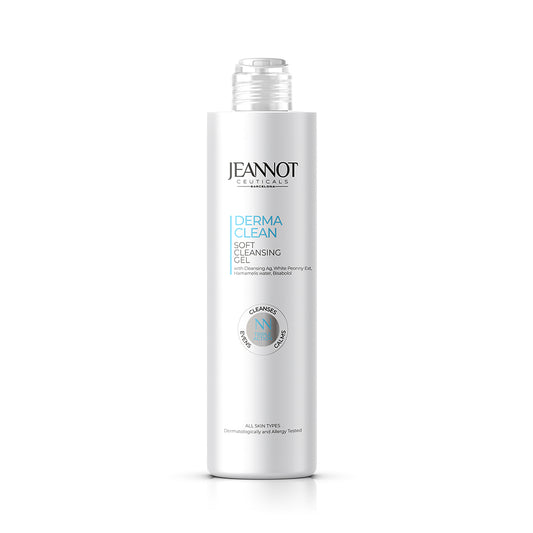
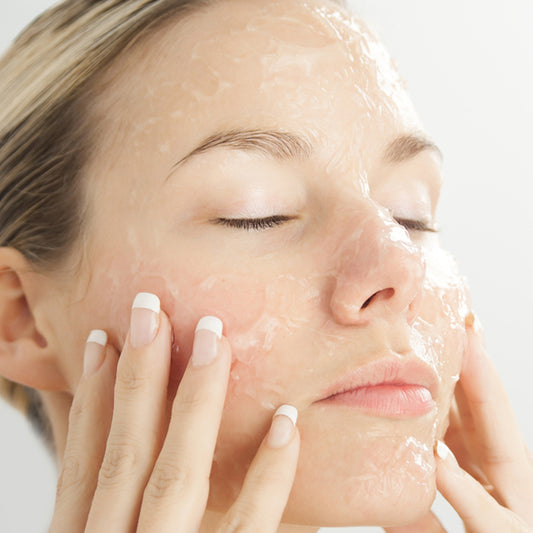
If your face feels tight after washing, the cleanser is too harsh. You want the dirt and oil to gone, not your skin’s natural moisture. Dry or normal skin usually likes the Cleansing Milk. If you have combination or oily skin, the Cleansing Gel or the Foaming Cleanser is the better bet.
Exfoliate But Go Easy
Exfoliation is the quickest way to improve skin texture, because it clears off the dead skin cells layer that makes skin feel rough. Once every 2 weeks is plenty. If your skin is sensitive, begin with once in 2 week and see how it reacts before doing more. You can look through our exfoliator collection to find one that suits you.
Add a Toner that Prepares, Not Strips
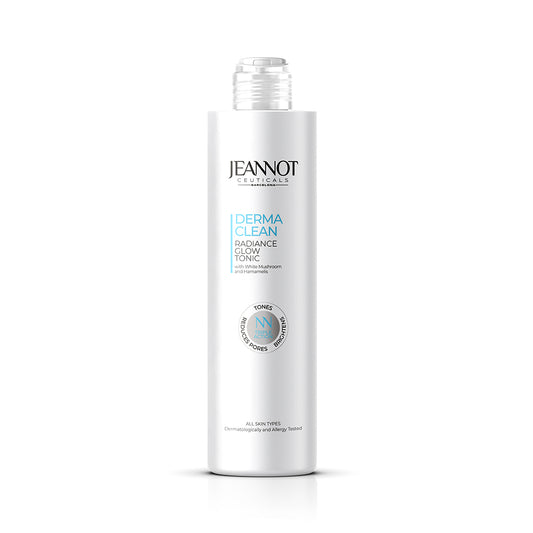
A good toner helps the serums and creams absorb better. If your skin looks dull as well as rough, the Skin Brightening Toner is a nice one to bring in.
Bring in Vitamin C
Vitamin C supports skin renewal, brightens a dull complexion and helps defend against everyday environmental stress. If you use it regularly, it makes uneven skin texture on face look more refined over a few weeks. Have a look at the full Vitamin C Skin Care Products, or start with the Intense Renewal Face Brightening Serum.
Hydrate Properly
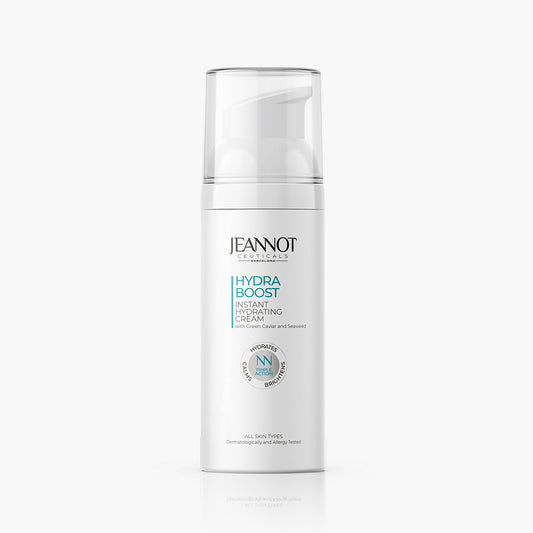
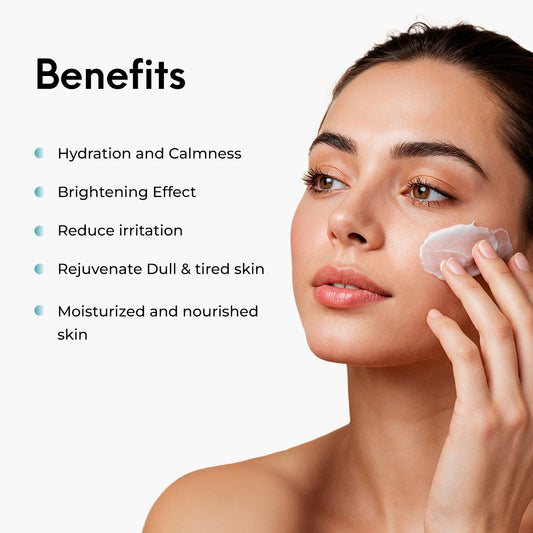
Hydrated skin looks Plump, soft and smoother. That’s all there is to it! Hyaluronic acid is the ingredient to look for hydration. The Intense Hydrating Serum and the Hydrating Face Cream are good starting points for hydration, and the Skincare Products with Hyaluronic Acid has more to choose from.
Support Firmness if Age is Part of the Story
If your skin texture change comes with a loss of bounce, a collagen-supporting serum is worth adding. Try the Collagen Serum and explore the Skin Care Products for Fine Lines & Wrinkles collection for complementary products to add to your skincare routine.
Don’t Skip Sunscreen
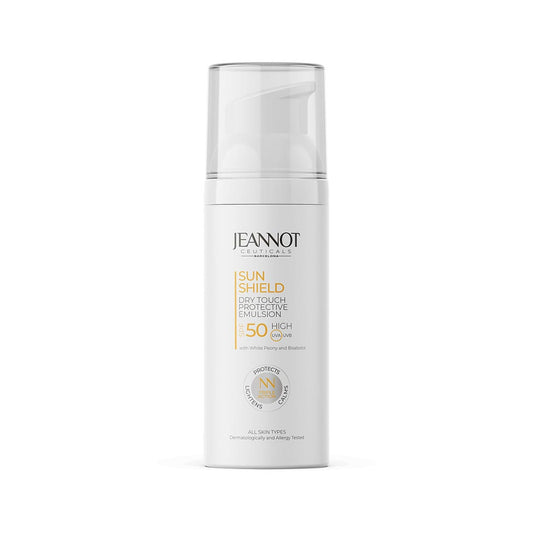
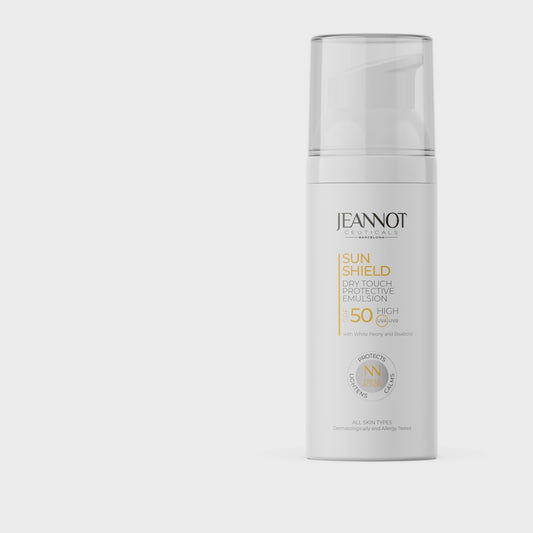
Without daily SPF, nothing else you do to improve skin texture will last very long. The Dry Touch Protective Emulsion SPF50 feels light and non-greasy, and it sits comfortably under makeup. There are more options in the sun protection collection.
Let the Night Do the Repair Work
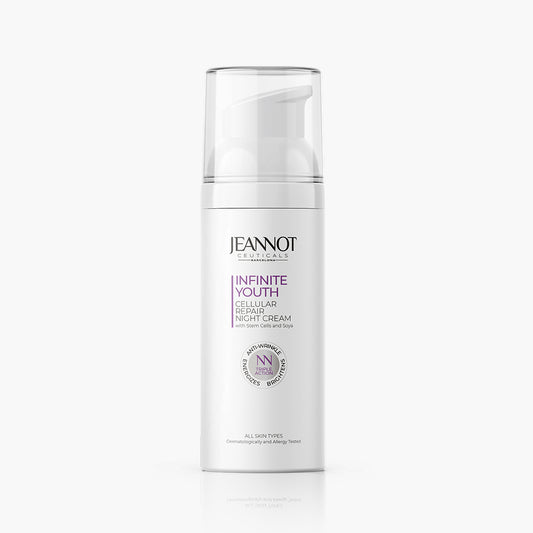
Skin does most of its recovery while you sleep. A night cream like the Cellular Repair Night Cream helps it bounce back and protect skin barrier from damage.
Give it Time
Skin takes about a month to renew itself, and visible change in texture needs longer, so 6 to 8 weeks is a fair expectation. Swapping products every week is the fastest way to feel like nothing works. And if you’d rather not put a routine together piece by piece, the Daily Regime Kit covers the basics in one go.
Which Skin Texture Concern Matches Yours?
|
What You Notice? |
Likely Cause |
Where to Start? |
|
Small bumps, blackheads |
Clogged pores |
|
|
Rough, flaky patches |
Dead skin, dryness |
|
|
Dull, tired surface |
Slow cell turnover |
|
|
Bumps with breakouts |
Acne |
|
|
Shiny but rough |
Excess oil, dehydration |
Mistakes That Make Uneven Skin Texture Worse
Most of these mistakes come from daily habits, not products. Scrubbing your skin too hard, exfoliating every day or using multiple exfoliating products together can make your skin texture worse. Picking at bumps, skipping moisturiser because your skin feels oily and sleeping with makeup on can also affect your skin. Trying five new products in the same week makes it difficult to figure out which ones are helping and which ones are causing problems.
If your skin also looks red or irritated, read our guide on how to reduce redness on the face. If excess oil is your main concern, our article on excess sebum production can help you understand it better.
When Should You See a Dermatologist?
Skincare can help improve your skin, but it cannot solve every problem. If uneven skin texture on your face comes with painful or cystic acne, deep scars, constant itching or sudden changes you cannot explain, it is best to consult a dermatologist.
You should also seek professional advice if your skin does not improve after two to three months of consistent skincare. Some skin conditions require medical treatment, and a dermatologist can help identify the cause and recommend the right approach.
Final Thought
Improving uneven skin texture on your face isn’t about finding a miracle product or using a harsher scrub. It’s about following a few simple habits consistently: cleanse gently, exfoliate in moderation, keep your skin hydrated, protect it from the sun and give it time. If you want to improve your skin texture without the guesswork, start with the basics above and build your routine gradually.
This article is for general skincare information and is not medical advice. For persistent or severe skin concerns, please consult a qualified dermatologist.
Frequently Asked Questions
1. What causes uneven skin texture on the face?
Mostly dead skin buildup, clogged pores, dehydration, sun damage, old acne marks and over-exfoliation. Age and poor sleep add to it.
2. Can uneven skin texture be fixed permanently?
It can improve a lot, but it isn’t a one-time fix. Skin keeps renewing itself, so gentle cleansing, hydration and daily sunscreen are what keep it smooth. Deep scars may need professional treatment.
3. How long does it take to improve skin texture?
Most people see a difference after 6 to 8 weeks of steady use. Deeper concerns can take three months or more.
4. Does exfoliating help with uneven skin texture?
Yes, in moderation. One session in 2 weeks clears away dead cells and leaves skin feeling smoother. Overdo it, and you’ll damage your barrier and make things worse.
5. Which ingredients help improve skin texture?
Vitamin C, hyaluronic acid and collagen-supporting ingredients are popular choices, alongside gentle exfoliation and daily sunscreen.
6. Can oily skin have rough texture?
It can. Oily skin can still be dehydrated and prone to clogged pores, and both lead to roughness.
Tags:
Related articles
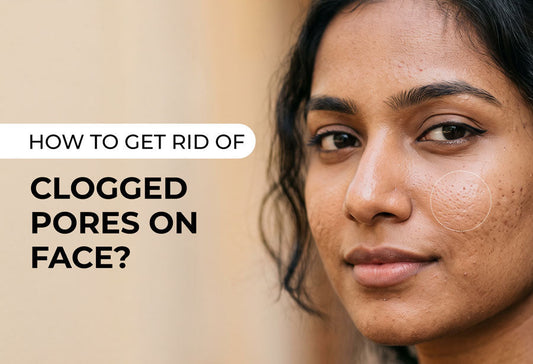
How to Get Rid of Clogged Pores on Face?
Oct 06 2026

How to Reduce Redness on Face?
Sep 23 2026

How to Reduce Excess Sebum Production on Face?
Sep 21 2026