
How to Reduce Excess Sebum Production on Face?
You wash your face; it looks clean and fresh, but within an hour, that familiar shine starts creeping back onto your forehead and nose. Sound familiar?
That’s excess sebum on your face at work. And honestly, most people deal with it the wrong way. They reach for harsher cleansers or skip moisturizer altogether, thinking that drying out the skin will reduce the oiliness.
But that can actually make things worse.
So, let’s understand what’s really happening with your skin and what can actually help manage excess sebum.
What Is Sebum?
Your skin naturally produces oil. It’s called sebum, and in the right amount, it actually does your skin a favor. It keeps your skin soft, helps prevent dryness, and supports your skin’s natural protective barrier. So, having some oil on your skin is completely normal.
The problem starts when your sebaceous glands begin producing more oil than your skin actually needs.
That’s when you notice the extra shine, pores that look more noticeable, and makeup that just won’t stay in place by 2pm.
Excess sebum on the face isn’t a flaw. It simply means your oil glands are working overtime.
Why Is This Happening to You Specifically?
There’s no single answer here, which can be frustrating, I know. A few common factors can contribute to excess sebum on the face:
Hormones are a big one. Androgens can make your oil glands more active, and this can affect both men and women. It’s one reason teenagers often struggle with oily skin, and why many women notice their skin becoming oilier right before their period.
Genetics play an important role too. If your parents had oily skin, there’s a good chance you may have inherited that tendency. No skincare product can completely change your natural skin type. The goal is to manage it, not fight it.
Then there’s weather. Heat and humidity can make your oil glands more active, which is why many people notice increased sebum production during the summer months.
Here’s one people often don’t expect: over-washing or using harsh skincare products. When your skin loses too much moisture, it may try to compensate by producing more oil. So, the very habit you picked up to control oiliness could end up making it worse.
Stress and diet can play a major role, although they’re often overlooked. High-sugar foods can cause blood sugar and insulin levels to rise, and insulin can influence hormones that affect your oil glands. It’s all connected, even if it doesn’t feel that way while you’re enjoying that donut.
How Do You Know It's Actually Excess Sebum on Face?
A few things usually give it away: shine returning within a couple of hours of cleansing, pores looking more noticeable than they used to, makeup sliding off by midday, and more blackheads than usual.
And here’s something that confuses a lot of people: your skin can feel oily on the surface and still be dehydrated underneath.
These two things aren’t contradictory. In fact, they can be closely connected. Your skin can produce excess oil while still lacking the water it needs to stay properly hydrated.
Best Ways to Control Excess Sebum on the Face
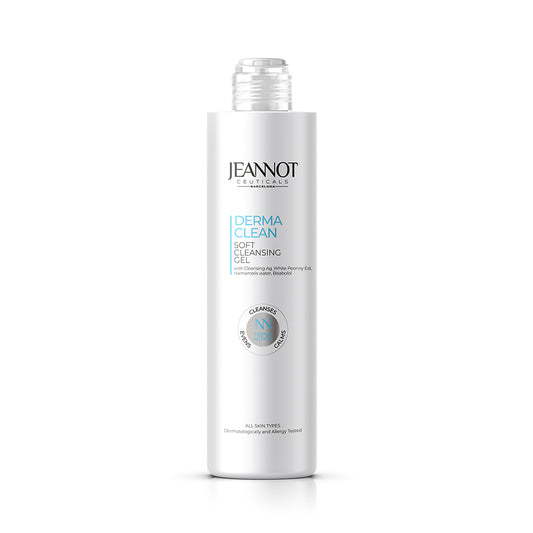
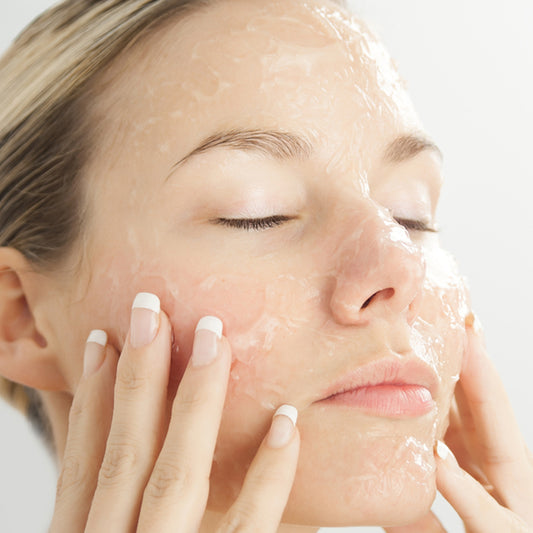
Wash your face properly, but don’t overdo it. If you’re dealing with excess sebum on the face, this is the first step. Washing your face twice a day is usually enough. Washing more often can leave your skin irritated and may encourage more oil production, which defeats the purpose. Choose a cleanser that removes excess oil and dirt without leaving your skin feeling tight or stripped. The Soft Cleansing Gel is a good example of this kind of formula. It cleanses the skin without that squeaky, overly dry feeling.
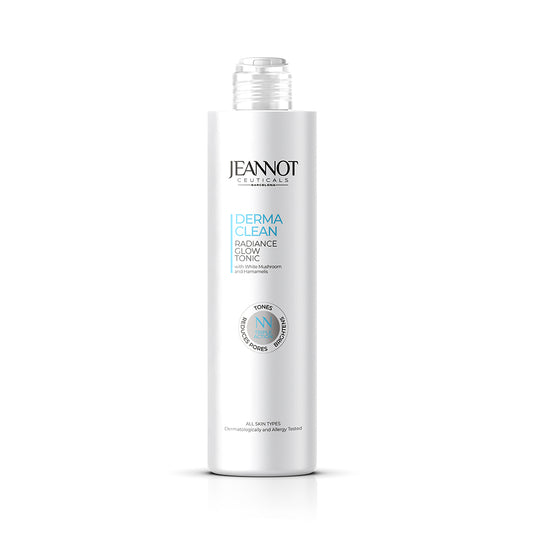
Skip alcohol-based toners. Many toners marketed for oily skin rely heavily on alcohol. They may make your skin feel fresh for a moment, but they can be drying and irritating. Instead, look for formulas that help control shine without stripping away moisture. The Radiance Glow Tonic helps minimise the appearance of pores and control shine while keeping the skin comfortable.
Look for ingredients that help regulate oil. Niacinamide has research supporting its role in helping reduce sebum production over time. Tea tree is another popular ingredient for oily, breakout-prone skin and also has antibacterial properties. If your skin tends to get oily, our Tea Tree range is formulated with this concern in mind.
Please don’t skip moisturizer. This is one of the most common mistakes people with oily skin make. They worry that moisturizer will make their skin even oilier, so they leave it out completely. But dehydrated skin can sometimes respond by producing more oil. Instead of skipping moisturizer, choose a lightweight, oil-free formula that hydrates without feeling heavy.
Exfoliate, but not every day. Exfoliating two or three times a week can help remove dead skin cells that may mix with sebum and contribute to clogged pores. Daily exfoliation, however, can irritate your skin barrier and make your skin more uncomfortable.
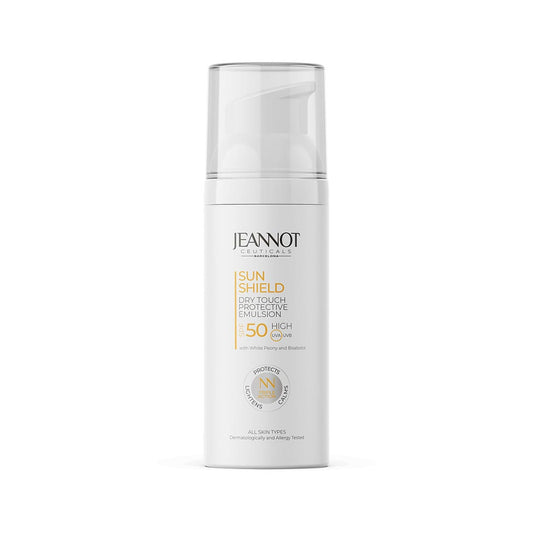
Choose a sunscreen that feels lightweight. Skipping sunscreen because it feels greasy is common, but you don’t have to. Look for lightweight or mattifying formulas designed for oily skin that provide sun protection without leaving a heavy, greasy finish.
Pay attention to your lifestyle too. Eating less added sugar, staying hydrated, getting enough sleep, and managing stress can all support healthy skin. They won’t replace a proper skincare routine, but they can complement it.
If clogged pores are part of the problem too, it may be worth exploring our Clogged Pores and Oily Skin collections. They’re designed to address these concerns together rather than treating them as completely separate issues.
How Long Before You See a Difference?
Give your skincare routine two to three weeks before you decide whether it’s working. That’s usually when you may start noticing less midday shine. Bigger changes, such as less noticeable pores and fewer breakouts, can take longer, often around six to eight weeks.
Changing products every week because you’re not seeing quick results can make it harder to know what actually works for your skin. Consistency is key when managing excess sebum.
Final Thought
You can’t fix excess sebum overnight, and honestly, anyone who promises you instant results is probably trying to sell you something. Managing it takes consistency: using the right cleanser, choosing the right actives, and actually moisturizing your skin, even when it feels counterintuitive.
Give your skin a few weeks before deciding that something isn’t working. Most of the time, your skin simply needs some time to adjust to what you’re doing and show the results.
At the end of the day, excess sebum on the face isn’t something to panic about. Once you stop treating oily skin like it needs to be dried out completely and start focusing on keeping it balanced, things can gradually calm down.
If you’re looking for a place to start, our Shine Control range was created with exactly this concern in mind.
Frequently Asked Questions
1. Will drinking more water fix my oily skin?
It helps, but it's not a magic fix. If your oiliness is hormonal or genetic, water alone isn't going to touch that. Think of it as one piece of a bigger routine.
2. Is oily skin the same thing as acne?
Not quite. Excess sebum is one ingredient in the acne recipe, but you also need clogged pores and bacteria for breakouts to happen. Plenty of people have oily skin with zero acne, and plenty of people with dry skin still break out.
3. Should I stop moisturizing since my face is already oily?
No, and this is genuinely one of the most common mistakes people make. Cutting moisturizer usually backfires because your skin ramps up oil production to compensate for the lost hydration. Just switch to something lightweight instead of skipping the step.
4. Can you get rid of excess sebum for good?
If it's genetic or hormonal, probably not permanently, but you can manage it really well with the right routine. Think long-term maintenance rather than a one-time cure.
5. What should I avoid if I already deal with excess sebum on my face?
Heavy oils, thick creams that sit on top of your skin, and alcohol-based toners. All three either clog your pores or strip your skin, and either way, your glands respond by making more oil.
Tags:
Previous
How to Remove Tan from Face? 9 Science-Backed Ingredients
Next
How to Reduce Redness on Face?
Related articles

How to Get Rid of Clogged Pores on Face?
Oct 06 2026
How to Reduce Redness on Face?
Sep 23 2026