
How to Remove Darkness Around Mouth? Causes & Remedies
Tilting your chin up in every photo. Adding an extra swipe of concealer before leaving the house, especially around the mouth. If that sounds familiar, you already know what dealing with darkness around the mouth feels like every day.
Whether you call it blackness around the mouth or use the more clinical term, mouth pigmentation, it doesn’t hurt or itch. And yet, it barely gets mentioned in most skincare articles, which tend to focus more on acne and wrinkles.
The good news? Darkness around the mouth can often be improved with the right skincare routine and consistent care. Gentle exfoliation can help remove pigmented surface cells, brightening ingredients can help even out skin tone, and daily sunscreen is essential to prevent the area from getting darker. Supporting your skin barrier and avoiding unnecessary rubbing or irritation also makes a difference.
With consistent care, many people may start noticing visible improvement within 4–8 weeks, although results can vary depending on the underlying cause.
In this guide, we’ll look at what causes darkness around the mouth and how to reduce it with simple, practical, dermatologist-informed skincare steps. No complicated routine, just the basics that matter and how to follow them consistently.
What Causes Darkness Around the Mouth?
The skin around your lips isn’t quite like the rest of your face. It’s thinner, has fewer oil glands, and goes through a lot more everyday friction than you might realise. Talking, eating, wiping your mouth, or touching your face out of habit may seem harmless, but over time, all that friction can add up.
That’s one of the reasons the area around your mouth can start looking darker before other parts of your face.
So, what’s actually causing it? There are several possible reasons, and it’s rarely just one.
Sun exposure is probably one of the biggest reasons behind it. Most people religiously apply sunscreen on their forehead and cheeks but completely forget the area around their mouth. So, this skin keeps getting exposed to UV rays without much protection.
Then there’s friction, which people often underestimate. Licking your lips when they feel dry, resting your chin on your palm during a call, or rubbing your face when you’re tired may not seem like a big deal in the moment. But repeated friction and irritation can gradually make the skin look darker. And the change doesn’t happen overnight. It usually builds up slowly, over weeks and months.
Dead skin buildup can also make darkness look worse than it actually is. When cell turnover slows down, the skin’s surface can become dull and uneven. This uneven texture can make the area appear darker, even before there is any significant change in the pigment underneath.
Hormones can play a bigger role than people realise. Pregnancy, PCOS, and thyroid conditions are some factors that can trigger melasma-like pigmentation, including around the mouth and chin.
Then there’s dry skin. When the skin isn’t properly hydrated, light doesn’t reflect evenly from its surface. As a result, any existing discoloration can look more noticeable compared to well-hydrated skin.
And sometimes, the reason can be nutritional. Low iron and low B12 have been linked to darkening around the mouth in some people. If the pigmentation appeared suddenly without any obvious trigger, it’s worth mentioning it to a doctor instead of assuming it’s purely a skincare concern.
Most of the time, though, it’s a combination of two or three factors working together. That’s why darkness around the mouth can seem to appear overnight, even though it has actually been building gradually over weeks.
And this is exactly why one product alone rarely fixes it. A consistent routine that addresses different contributing factors is usually a more effective approach.
How to Remove Darkness Around Mouth: The Routine That Actually Works
Ignore the scattered “10 tips” lists you find everywhere. If dark skin around the mouth is what brought you here, this guide follows a clear sequence that builds on itself instead of throwing random steps at the problem.
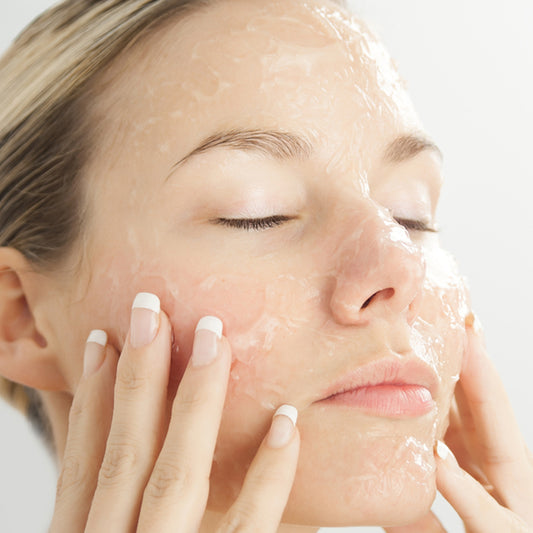
Start with gentle exfoliation, 2–3 times a week
Dead skin cells sitting on the surface can make the area look darker than it actually is underneath. A mild lactic acid or low-strength AHA can help clear away this layer without the micro-tearing that can happen with physical scrubs, especially on the delicate skin around the mouth.
Bring in a brightening active
This is the part that can actually help influence how much pigment your skin produces, rather than simply changing how it looks today. Niacinamide, Vitamin C, and Licorice Extract can help target melanin production at its source instead of simply masking pigmentation temporarily.
Our Revitalizing Whitening Serum is formulated with this approach in mind, and it’s one of the products people frequently ask us about for this specific concern.
Never skip sunscreen on this area
Yes, everyone says this. And yet, people still skip it around the mouth.
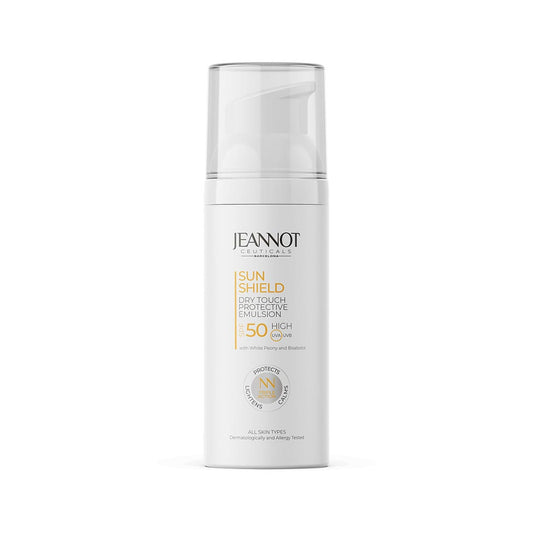
Apply a proper broad-spectrum SPF 30 to the area around your mouth, not just the rest of your face. It helps prevent new pigmentation from forming while the rest of your skincare routine works on the pigmentation that’s already there.
Hydrate before you brighten
Dry skin can make every dark patch look more noticeable than it actually is. Applying a hydrating layer before your brightening serum helps your skin absorb the actives better while also supporting the skin barrier and reducing irritation.
If the area around your mouth feels flaky or tight, apply our Intense Hydrating Serum first, before anything else. It can make a noticeable difference.
Deal with the habit behind it
If lip-licking or resting your chin on your hand is part of your daily routine, no serum can outperform simply breaking the habit. It costs nothing, and it can genuinely help the rest of your skincare routine work more effectively.
Ingredients That May Help
Maybe you’re someone who prefers reading the ingredient list rather than following a long skincare routine. Fair enough. So, let’s look at what’s actually inside that bottle and why each ingredient made this list.
Niacinamide helps slow the transfer of melanin to the skin’s surface, which is one reason it’s considered gentle enough for daily, long-term use. It also helps with dryness, which can make pigmentation around the mouth look more noticeable than it actually is.
Vitamin C is one of the most researched brightening antioxidants out there. It helps fade existing pigmentation while also protecting the skin from sun exposure that can cause further darkening. It works especially well when layered underneath your morning sunscreen.
Alpha arbutin helps block tyrosinase, an enzyme involved in melanin production. It’s gentler than many harsher bleaching agents, which makes it a suitable option for the thin, delicate skin around the mouth.
Licorice root extract does two things at once: brightening and calming. This can be especially helpful when some of the pigmentation is linked to dryness or irritation from repeatedly licking your lips, rather than sun exposure alone.
Kojic acid can be genuinely effective for stubborn pigmentation. However, it can also dry out the skin, so it works better when paired with a hydrating product.
Tranexamic acid was originally used in the context of deeper hormonal pigmentation, such as melasma. Because of that background, it’s now increasingly found in serums designed to target pigmentation around the mouth.
Aloe Vera isn’t really a brightening ingredient on its own, but its calming effect can help control inflammation, preventing dark patches from looking more pronounced than they actually are.
You really don’t need to use all seven ingredients together. Layering too many actives on such delicate skin can cause irritation, which may add to the very darkness around the mouth you’re trying to reduce.
Pick one or two ingredients and stay consistent. Niacinamide and Vitamin C can work well together for many people. A simple, consistent routine is usually better than a complicated seven-step one.
And if building a routine from scratch feels like too much, our Revitalizing Whitening Serum already combines several of these key ingredients in one formula.
How to Remove Dark Spots Around Mouth vs. Dark Patches Around Mouth
People often use “spots” and “patches” interchangeably, but they’re not really the same thing. And understanding the difference can change how you should treat them.
Dark spots are usually small and clearly defined, like the marks left behind after a healed breakout, a small cut, or an old burn. Spot-targeted brightening ingredients, along with a little patience, can help with these. Post-inflammatory marks also tend to fade naturally over time.
Dark patches are a different story. They’re broader, less defined, and are more often linked to sun exposure or hormonal changes. So, if you’re specifically searching for how to remove dark patches around the mouth, treating only the visible patch isn’t enough. You need to care for the entire area around the mouth with gentle exfoliation, a brightening serum, and daily sun protection.
Patches can also return more easily if UV exposure continues without proper protection.
If what you’re dealing with looks more like patches than individual spots, our Uneven Skin Tone & Blemishes collection is worth checking out. It’s designed for broader discoloration, rather than just individual marks.
Dark Under Lips: Is It Different?
Darkness specifically under the lower lip often has a different backstory. It may be more closely linked to friction and dryness than actual pigmentation. This area can respond well to hydration and gentle exfoliation, partly because it usually gets less sun exposure than the rest of the mouth area.
Here, dead skin buildup and frequent lip-licking are often the main culprits, rather than excessive melanin production.
A Quick Note
If you’re hoping for overnight results, this simply isn’t that kind of concern. Honestly, any product promising otherwise isn’t giving you the full picture.
Most people who stick to a consistent routine with exfoliation, a brightening serum, hydration, and daily SPF may start noticing a real difference around week four.
More noticeable fading usually appears between 8–12 weeks. Deeper or long-standing pigmentation can take a little longer, and that’s completely normal. It doesn’t mean something is going wrong. Your skin simply needs more time.
For more on which ingredients can actually help with pigmentation and why, our post on natural ingredients that combat hyper pigmentation goes deeper into the science.
And if the real question is how to reduce darkness around the mouth for good, not just fade what’s already there, the honest answer is consistency. Keep using your SPF and brightening serum even after your skin starts looking better. Staying consistent with your routine is what helps prevent the pigmentation from gradually coming back.
Frequently Asked Questions
1. Is darkness around the mouth permanent?
For most people, no. It's usually driven by sun exposure, friction, or dead skin buildup, and all three respond well to consistent care. It only gets genuinely stubborn when it's tied to deeper hormonal pigmentation, and even then it typically just needs more time, not a different approach entirely.
2. Can darkness around the mouth be a sign of a deficiency?
It can be, yes. Low iron and B12 have both been linked to darkening in this area for some people. If yours appeared suddenly, or showed up alongside something like fatigue, mention it to a doctor rather than treating it as purely cosmetic.
3. Do home remedies actually work for darkness around the mouth?
Milder ones like aloe vera, diluted lemon juice, or a turmeric-milk paste can genuinely help with light discoloration, especially when dryness or minor irritation is the actual cause. For anything more stubborn, they work better as a supplement to a real brightening serum than as a replacement for one.
4. How long does it take to remove darkness around the mouth?
With a routine you actually stick to, most people notice improvement within four to eight weeks. Deeper or older patches can take longer, so staying consistent matters more than which exact product ends up in your routine.
5. What's the difference between dark spots and dark patches around the mouth?
Dark spots are small, well-defined marks left behind by breakouts or minor injuries. Dark patches are broader areas of discoloration, more often connected to sun exposure or hormonal shifts, and they generally need a whole-area routine rather than spot treatment alone.
Tags:
Previous
Does Niacinamide Lighten Skin? Here’s What Vitamin B3 Really Does
Next
How to Remove Tan from Face? 9 Science-Backed Ingredients
Related articles
How to Get Rid of Clogged Pores on Face?
Oct 06 2026
How to Reduce Redness on Face?
Sep 23 2026
How to Reduce Excess Sebum Production on Face?
Sep 21 2026