
How to Remove Tan from Face? 9 Science-Backed Ingredients
Every year around March, our Jeannot Ceuticals customer support inbox fills up with some version of the same message: “My face is two shades darker than my arms. Help!”
It’s such a specific, seasonal complaint that we could almost set a calendar by it. Delhi summers, Mumbai humidity, or a beach trip to Goa without reapplying sunscreen. The reason may change, but the result doesn’t.
The fastest way to fade a tan is to follow a simple three-step approach: start with mild exfoliation to lift dead, pigmented skin cells, follow with a hydrating mask to soothe and brighten the skin, and most importantly, use sunscreen and reapply it regularly, rather than applying it just once.
You may start noticing a visible difference in 4 to 6 days. But if it’s an older tan, the kind that has been sitting on your skin since your last vacation, it can take closer to two weeks to fade.
Let's explore this blog to learn about science-backed ingredients that can effectively help remove tan from the face.
Why Does Your Face Tan in the First Place?
If you already know this, feel free to skip it, but it matters for what comes next: melanin is your skin’s natural defence system.
When your skin is exposed to UV rays, your melanocytes produce more melanin, and that extra pigment is what you see as a tan.
It’s not the same kind of damage as a sunburn. Think of it more as your skin building its own protective armor. The only problem? It’s armor you didn’t ask for, especially when it shows up across your cheekbones.
The part that trips people up is assuming it'll fade on its own the way a bruise does. But it doesn't, not quickly. Skin cell turnover is roughly a four to six week cycle, and melanin sits in those cells until they shed. Left alone, tan takes over a month to fully clear. Every remedy below exists to speed that clock up.
How to Remove Tan from Face: The Ingredients That Actually Work
Real, lasting tan reduction comes down to a few key active ingredients that have been studied in dermatology for decades. Each one works on a different part of the pigmentation process.
Vitamin C (L-Ascorbic Acid)
Vitamin C helps interfere with tyrosinase, the enzyme responsible for melanin production. It also neutralizes free radicals that can stimulate melanocytes after sun exposure.
This makes Vitamin C useful for addressing both new pigmentation and existing dark spots.
Our Intense Renewal Brightening Serum combines Vitamin C with AHA, orange water, and white peony extract to target tan and dullness together. It is formulated for daily use and is gentler than raw ascorbic acid formulations, which can sometimes cause irritation.
AHAs (Alpha Hydroxy Acids)
Glycolic, lactic, and mandelic acids help loosen the bonds between dead, pigmented skin cells, allowing them to shed faster than they normally would.
This supports the skin's natural four-to-six-week cell turnover cycle and helps improve the appearance of tan and uneven tone.
Our Triple Concentrate Peel combines citric, glycolic, and mandelic acids to exfoliate and target pigmentation without the need for harsh manual scrubbing, which can further irritate sun-exposed skin.
Niacinamide (Vitamin B3)
Niacinamide does not directly stop melanin production. Instead, it helps reduce the transfer of melanin from melanocytes to surface skin cells, making pigmentation less visible over time.
It is also a relatively gentle active, making it a good option for sensitive or reactive skin that may not tolerate stronger acids.
Azelaic Acid
Azelaic acid is a tyrosinase inhibitor that was originally studied for acne and rosacea. It is also widely used to help improve pigmentation and uneven skin tone.
It is generally well tolerated, making it a useful option for skin that may be sensitive to stronger brightening ingredients.
Kojic Acid
Kojic acid is derived from fungal fermentation and works by inhibiting tyrosinase activity, helping reduce melanin production.
It is commonly used to target surface-level discoloration and is often combined with other brightening ingredients for a more comprehensive approach to pigmentation.
Tranexamic Acid
Originally used in medicine to control bleeding, tranexamic acid has also become a dermatological ingredient for addressing persistent pigmentation, melasma, and uneven skin tone.
It works through a different pathway from ingredients like Vitamin C and niacinamide, helping reduce inflammatory signals that can contribute to increased melanocyte activity.
This is why tranexamic acid is often combined with other brightening ingredients rather than used alone.
Retinoids
Retinoids increase overall cell turnover, helping pigmented skin cells reach the surface and shed more quickly.
They may work more gradually than AHAs, but their benefits can build with consistent use. Retinoids can also improve skin texture and support a more even-looking complexion.
Because retinoids can increase skin sensitivity to the sun, daily sunscreen is essential when using them.
Broad-Spectrum Sunscreen (SPF)
Sunscreen does not remove an existing tan, but it plays a crucial role in preventing further pigmentation.
Sun exposure can stimulate new melanin production, which can work against the results of your brightening routine. That is why daily broad-spectrum SPF is essential for effective tan reduction.
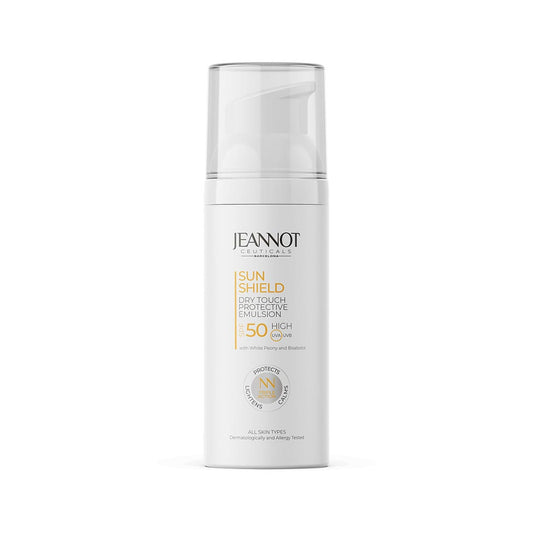
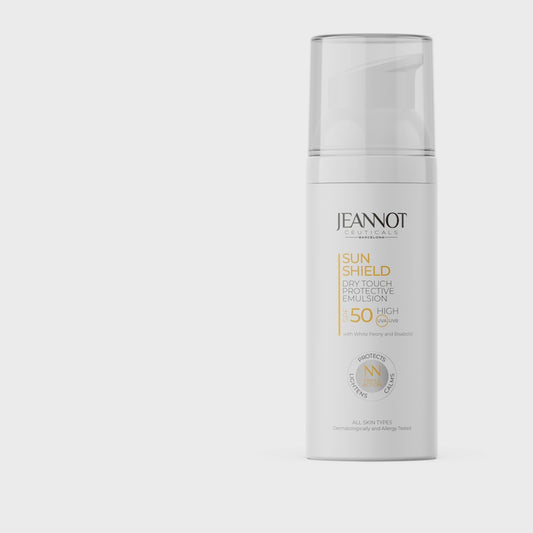
Our Dry Touch Protective Emulsion SPF50 and Radiance Cream combine sun protection with brightening ingredients, helping protect the skin while supporting a more even-looking complexion.
9. Professional Chemical Peels
When tan or pigmentation does not respond well to at-home skincare, or when discoloration has built up over a longer period, a professional chemical peel may be considered.
Dermatologist-administered peels use higher concentrations of exfoliating acids and can provide faster, more controlled exfoliation than most home-care products.
They may be particularly useful for persistent pigmentation, melasma-like discoloration, or deep, patchy pigmentation, rather than a typical seasonal tan.
How to De-Tan Face at Home: A Simple 3-Step Routine
If cycling through five different masks isn't realistic on a weeknight, this simplifies the routine into something you can actually stick to:
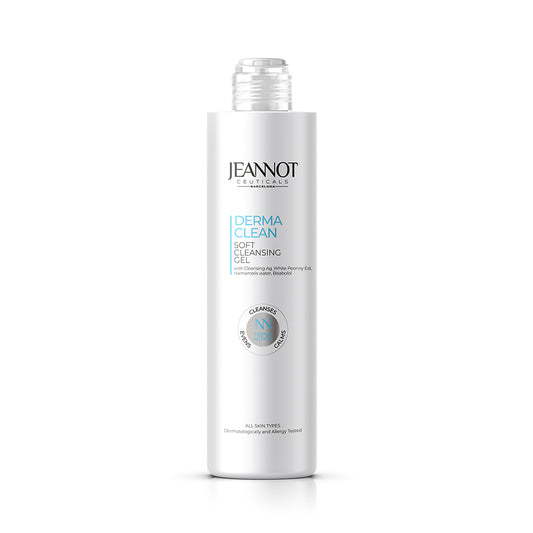
- Cleanse first. Sunscreen, sweat, and pollution sit on the skin all day, and none of the remedies above work well over that layer. So use Cleansing Milk that easily strips off without leaving skin feeling tight afterward.
- Exfoliate once in 2 weeks, not daily. If you want to skip the hassle of home remedies for exfoliation, then try Exfoliating Peel, which combines citric, glycolic and mandelic acids to exfoliate the skin without physical scrubbing.
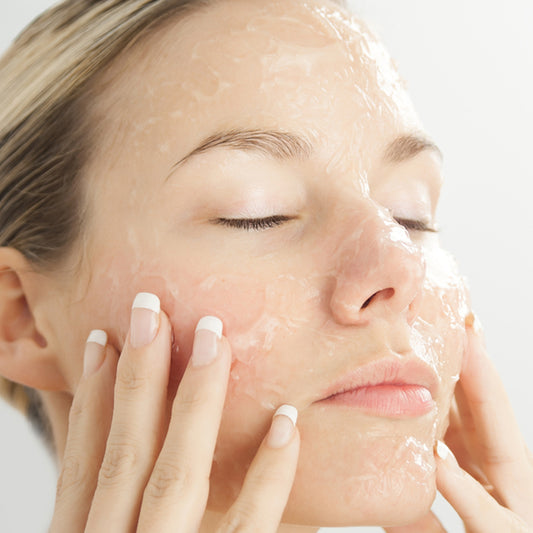
- Treat, then seal it in. Apply a brightening serum or aloe gel, let it absorb, then follow with a moisturizer so the treatment doesn’t simply evaporate from dry skin.
A full week is a fair test period here. Cheeks, nose, and forehead, the areas that receive the most direct sun exposure, tend to show changes first, while the jawline and neck may take a few days longer.
How to Get Rid of Tan on Face: What NOT to Do
Aggressive scrubbing is the most common mistake, and it can actually backfire. Irritated skin can make pigmentation more stubborn, not less. The second common mistake is skipping sunscreen while treating a tan. The moment you step outside without protection, you can undo a day’s progress.
Applying lemon juice and then going into direct sunlight can trigger phytophotodermatitis, a burn-like reaction that can be far worse than the tan you started with. And anything marketed as an overnight, guaranteed fix should raise questions. Either the effect is temporary, or the formula is aggressive enough to create its own problems later.
Preventing Tan Before It Starts
Treating tan repeatedly is a losing game if prevention isn’t part of your routine. A broad-spectrum SPF 30 or higher, reapplied every three to four hours during actual sun exposure, is the baseline, not the ideal. A cap, scarf, or umbrella between 11 AM and 3 PM can make more of a difference than most people assume, especially during Indian summers when UV levels can remain high even on cloudy days.
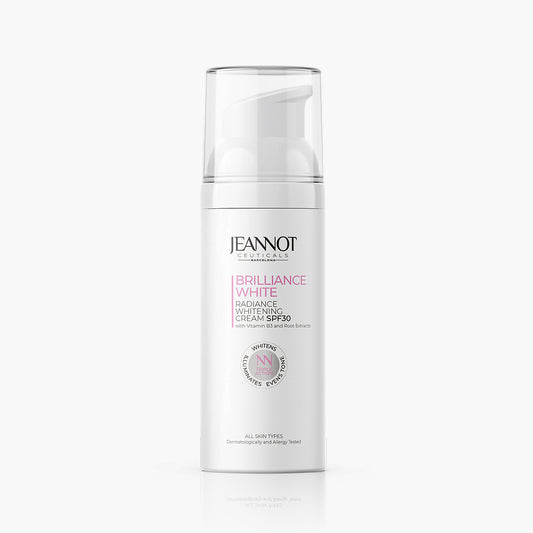
Our Dry Touch Protective Emulsion SPF50 works well as a daily option. It’s lightweight, non-greasy, and formulated with brightening actives that work on existing dark spots while helping protect against new ones. For skin that already leans dull or pigmented, our Radiance Cream SPF30 from the Brilliance White range covers both jobs at once. If neither suits your skin type, it’s better to browse the full sun protection collection than to guess.
If your skin tends to act up specifically when the weather turns hot, with tan, oiliness, and breakouts showing up together, our skincare routine for summer guide walks you through managing the whole cluster of concerns rather than treating each one separately.
The Takeaway
Tan removal rewards consistency far more than intensity. A mild routine followed consistently for a week is better than an aggressive one that you abandon after two days. Pick two or three remedies that genuinely suit your skin type, don’t treat sunscreen as optional, and give the process the time it actually needs instead of chasing an overnight result that doesn’t exist.
For more on building this into a complete routine, browse the Jeannot Ceuticals blog, read about what does niacinamide do for your skin, or explore our Vitamin C Products and uneven skin tone & blemishes collection.
Frequently Asked Questions
1. How long does it take to remove tan from face naturally?
With consistent alternate-day treatment, most people see a visible shift within 4 to 6 days. Tan that's been sitting for weeks or months takes closer to two weeks of steady effort.
2. What's the fastest way to remove tan from face?
Exfoliation paired with a vitamin C serum, done once in 2 weeks, tends to outperform single-remedy approaches, provided sunscreen is part of the same routine, not treated as a separate afterthought.
3. Can tan be removed overnight?
No, not fully. An aloe vera gel or overnight hydrating mask can visibly reduce redness and soften the tan by morning, but full fading takes days, not hours.
4. Does tan go away without doing anything about it?
Eventually, yes. Natural skin cell turnover runs on a 4 to 6 week cycle. Active remedies simply push that timeline forward instead of waiting it out.
Tags:
Previous
How to Remove Darkness Around Mouth? Causes & Remedies
Next
How to Reduce Excess Sebum Production on Face?
Related articles
How to Get Rid of Clogged Pores on Face?
Oct 06 2026

How to Reduce Redness on Face?
Sep 23 2026

How to Reduce Excess Sebum Production on Face?
Sep 21 2026