






How to Keep Skin Hydrated: 9 Habits That Actually Work
You moisturise your face in the morning, get ready for work and, by lunchtime, your skin already feels tight. Your forehead might look oily, but your cheeks feel dry. Even your makeup seems to settle into fine lines that weren't so noticeable earlier.
Sound familiar? Your skin could be dehydrated.
This can happen to any skin type. Oily skin isn't automatically well hydrated, and applying more cream isn't always the answer. If you're wondering how to keep skin hydrated throughout the day, start by looking at your cleansing habits, the products you use and how you layer them. A few small changes can make your daily routine work better.
Dehydrated Skin vs Dry Skin: Know What You're Fixing
Before buying another moisturiser, it's worth figuring out what your skin actually needs. Dryness and dehydration are often confused, but they have different causes.
Dry skin is a skin type that produces less sebum (natural oil). You may notice flaky patches, roughness or a persistent feeling of tightness. Dehydration is different. It happens when the skin lacks water and can affect oily, combination or dry skin.
This is why someone with an oily forehead can still experience dehydrated cheeks.
Some signs to look out for:
- Your face feels tight after washing.
- Your complexion looks dull, even after getting enough sleep.
- Fine lines seem more visible than usual.
- Foundation settles into dry patches.
- Your skin feels oily on the surface but uncomfortable underneath.
You may have heard of the cheek pinch test. Gently pinch a small area of your cheek and release it. If the skin takes time to return to its normal appearance, dehydration could be one possibility. However, this isn't a medically reliable test.
So, how do you decide which products to use? If your main concern is a lack of moisture, take a look at the Dehydration Collection. If your skin is regularly flaky and rough, the Dry Skin Collection may be a better starting point.
9 Ways to Keep Your Skin Hydrated Every Day
You don't need a shelf full of skincare products to maintain hydrated skin. Sometimes, the problem lies in the order you apply them or a product that isn't suited to your skin.
Here are nine habits worth bringing into your routine.
1. Switch to a Cleanser That Doesn't Strip You
Pay attention to how your face feels immediately after washing it. If your skin feels stretched or unusually tight, your cleanser may be removing more of its natural oils than necessary.
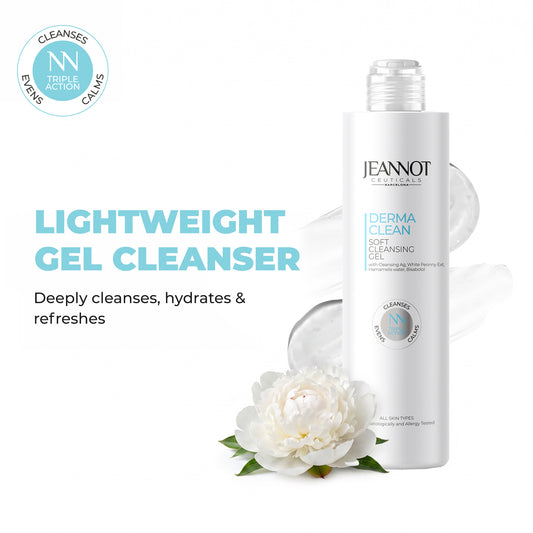
This is particularly common with harsh foaming cleansers and products designed to leave the skin feeling squeaky clean. A gentle cleanser is usually a better choice, especially if you're already dealing with dehydration.
The Hydrating Cleansing Milk is worth exploring if you prefer a softer cleansing formula.
2. Apply Your Skincare on Slightly Damp Skin
Here's a step that's easy to overlook. Most people wash their face, dry it completely and then start applying their skincare products.
Try doing it slightly differently. After cleansing, pat your face gently with a towel but leave a little moisture on the skin. Apply your hydrating serum before your face dries completely.
Why does this help? Humectants, such as hyaluronic acid and glycerin, attract water. Applying them to slightly damp skin can help with moisture retention. Follow with a moisturiser to reduce water loss.
You don't need to change your entire routine. Just change the timing.
3. Give a Hydrating Serum a Place in Your Routine
If your skin still feels thirsty despite regular moisturising, a hydrating serum may be worth adding.
Hyaluronic acid is a popular choice because it attracts water and helps the skin retain moisture. It's also generally easy to incorporate into different skincare routines, including those for oily skin.
For anyone trying to understand how to hydrate face skin without using heavy creams, this can be a useful addition. Choose a formula that suits your skin and apply it before moisturiser.
You can browse the Hyaluronic Acid Collection or explore the Intense Hydrating Serum.
One thing worth remembering: a hydrating serum and a moisturiser do different jobs. Using both can help maintain moisture more effectively than relying on a serum alone.
4. Find a Moisturiser Your Skin Actually Likes
Some people avoid moisturisers because they don't like the sticky or heavy feeling. This is particularly common with oily skin. But skipping moisturiser altogether can leave your skin feeling uncomfortable.
A moisturiser helps slow down water loss and supports the skin barrier. The trick is finding a texture you'll enjoy using every day.
For oily and combination skin, lightweight gel-creams may feel more comfortable. If your skin is dry, you might prefer a richer formula.
The Instant Hydrating Cream and Hydra Boost Range are options to explore when choosing hydration-focused skincare.
Apply your moisturiser after serum in both your morning and evening routines.
5. Make Sunscreen a Daily Habit
Sunscreen is often the step people remember only when they're heading to the beach or spending time outdoors. It deserves a place in your everyday routine.
UV exposure can damage the skin and contribute to premature ageing. Repeated exposure can also affect the skin barrier, which may leave the skin more vulnerable to irritation and moisture loss.
Choose a broad-spectrum sunscreen with at least SPF 30. Apply it every morning and reapply every two hours when outdoors, as well as after swimming or sweating.
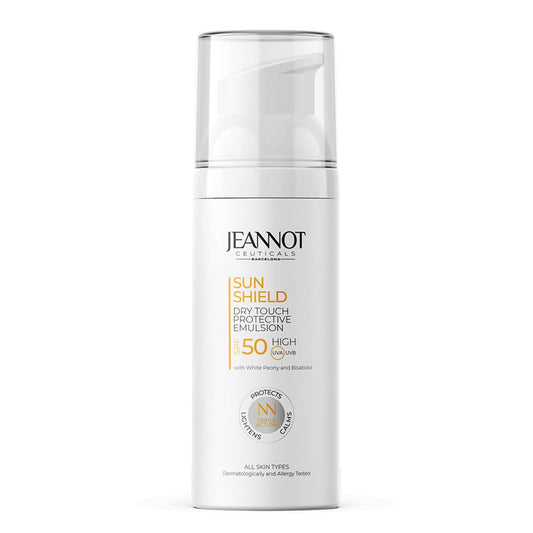
If you're looking for an everyday option, explore the Dry Touch Protective Emulsion SPF50 or browse the Sun Protection Collection.
6. Treat Your Skin to a Hydrating Mask
There are days when your usual skincare routine doesn't quite feel enough. Perhaps you've spent hours in an air-conditioned office, travelled in dry weather or noticed flaky patches around your nose.
A hydrating mask can give your skin some extra moisture. Depending on its formulation, it may also help soften dry patches and improve the way your skin feels.
Once or twice a week is generally sufficient for a hydrating mask. Follow the instructions on the product instead of leaving it on for longer than recommended.
Have a look at the Face Masks Collection if you'd like to add one to your weekly routine.
7. Give Your Skin Some Attention Before Bed
A long day means your skin has been exposed to sunscreen, makeup, sweat and environmental impurities. A proper evening routine helps remove that buildup and replenish moisture.
Start with cleansing. Follow with a hydrating serum and finish with a moisturiser or night cream.
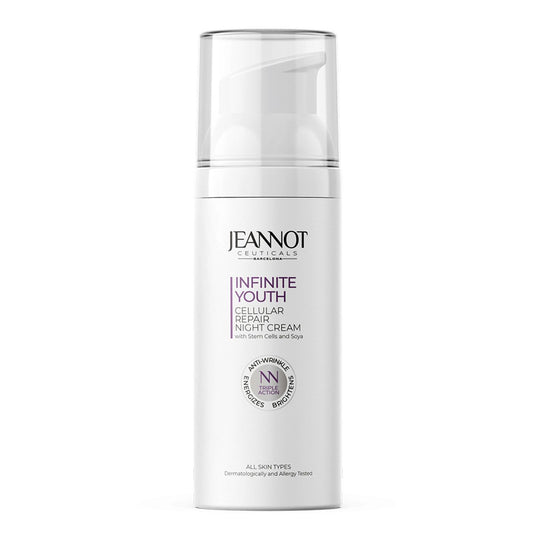
If your face often feels dry when you wake up, consider using a slightly richer moisturiser at night. The Cellular Repair Night Cream is another option to explore.
You don't need separate products for every concern. A few suitable products, used regularly, are often enough for a basic routine.
8. Keep a Facial Mist Nearby
Air conditioning can make long working hours uncomfortable for your skin, particularly if the surrounding air has low humidity. You might notice your face feeling tight towards the end of the day.
A facial mist is convenient to keep in your handbag or at your desk. It can refresh the skin and, depending on the formula, provide some additional hydration or soothing benefits.
The Anti Pollution Calming Mist is one option to consider.
Just don't mistake a quick spritz for your entire hydration routine. Water-based mists evaporate, so a moisturiser is still important.
9. Look Beyond Your Skincare Products
Your skincare routine is only one part of the picture. Everyday habits also influence how your skin looks and feels.
Start with water. Drink enough throughout the day, particularly when the weather is hot or you're physically active. Include foods with high water content, such as cucumber, watermelon and oranges, in your meals.
Sleep matters, too. Consistently poor sleep can affect your skin's appearance and its normal repair processes.
You don't need to follow an elaborate diet or suddenly change your lifestyle. Focus on habits that are realistic enough to maintain.
How to Keep Skin Hydrated in Winter?
Winter can be particularly challenging for dehydrated skin. The air tends to be less humid, and hot showers can strip away some of the natural oils that help protect your skin.
You might notice your cheeks becoming rough, your lips drying out more frequently or your usual moisturiser no longer feeling sufficient.
If you're wondering how to keep skin hydrated in winter, make these five adjustments:
- Turn down the shower temperature. Hot showers feel lovely when it's cold outside, but prolonged exposure to hot water can dry out your skin. Use lukewarm water instead.
- Consider changing your moisturiser. If your usual lightweight cream isn't enough, try a slightly richer formula during colder months.
- Use a humidifier. Indoor heating can lower humidity. A humidifier may help make the surrounding air more comfortable.
- Moisturise straight after washing. Don't wait until your face is completely dry. Apply your moisturiser while the skin is still slightly damp.
- Keep sunscreen in your routine. Cloudy skies don't eliminate UV exposure. Continue using broad-spectrum sunscreen during winter.
Your exfoliation routine may also need a rethink. If your skin is already dry or irritated, frequent exfoliation can make matters worse. Give it a break until your skin feels comfortable again.
For another useful read, check out our guide on How to Improve Skin Texture on Face.
A Simple Hydration Routine You Can Start Tonight
If you've been putting off building a skincare routine because it seems complicated, start here. You can cover the basics with just a few steps.
In the Morning
- Wash your face with a gentle cleanser.
- Apply a hydrating serum to slightly damp skin.
- Use a moisturiser that suits your skin type.
- Finish with broad-spectrum sunscreen.
At Night
- Remove makeup and sunscreen.
- Cleanse your face.
- Apply your hydrating serum.
- Follow with a night cream or moisturiser.
Once or Twice a Week
- Use a hydrating mask.
- Avoid exfoliating when your skin feels irritated.
- Check whether your current products are still working well for your skin.
Prefer a ready-made combination of products? Have a look at the Kits Collection.
Give a new routine some time. Changing products every few days makes it difficult to understand what your skin responds to.
Mistakes That Quietly Dry Out Your Skin
You might already be using good skincare products and still experiencing dehydration. A few everyday mistakes could be getting in the way.
- Exfoliating too often: Scrubs and exfoliating acids can irritate your skin when overused. Reduce their frequency if you notice redness or tightness.
- Choosing the wrong cleanser: A cleanser that leaves your face feeling stripped may be too harsh for daily use.
- Skipping moisturiser: Oily skin needs hydration too. Just choose a texture that doesn't feel heavy.
- Applying serum without enough moisture: Some hydrating ingredients work well on damp skin. Follow with a moisturiser to help retain that moisture.
- Expecting immediate results: Your skin may feel more comfortable after a few applications, but repairing a damaged skin barrier takes longer.
Pay attention to how your skin reacts instead of adding another product every time you notice a new concern.
The Bottom Line
Skin hydration doesn't have to be complicated. A gentle cleanser, a suitable serum and a moisturiser can give you a good starting point. Add sunscreen in the morning and pay attention to how your skin responds as you build your routine.
If you're still figuring out how to hydrate skin, resist the urge to keep buying new products. Start with the basics and give them time to work. For anyone wondering how to keep face hydrated without a heavy skincare routine, lightweight hydration products may be just what the skin needs.
Explore the Jeannot Ceuticals Hydra Boost Range and find products that fit into your everyday routine. For more skincare advice, visit our Skincare Journal.
Frequently Asked Questions
1. How can I keep my skin hydrated all day?
Start with a hydrating serum and moisturiser in the morning, followed by sunscreen. Avoid harsh cleansers and excessive washing. If your skin feels dry during the day, use suitable hydrating products instead of repeatedly washing your face.
2. How do I hydrate my skin fast?
Apply a serum containing hyaluronic acid or glycerin to slightly damp skin, then follow with a moisturiser. This can make your skin feel more comfortable fairly quickly. However, longer-term improvement depends on consistent skincare.
3. How can I keep my face hydrated without feeling greasy?
Choose lightweight moisturisers and water-based serums. Ingredients such as hyaluronic acid and glycerin can help hydrate skin without requiring a heavy cream. Apply only the amount your skin needs.
4. Does drinking water really hydrate your skin?
Drinking enough water supports your body's fluid balance and normal skin function. However, drinking extra water isn't a guaranteed solution for dehydrated skin. Topical skincare and a healthy skin barrier also play a part.
5. How long does it take to fix dehydrated skin?
It depends on how dehydrated your skin is and what's causing it. Some people notice improved comfort within a few days of following a suitable routine. More persistent dryness or barrier damage may take several weeks to improve.
6. Should I see a dermatologist?
Yes, if your skin remains dry, itchy, flaky or irritated despite making changes to your skincare routine. A dermatologist can help identify whether an underlying skin condition is responsible.
Tags:
Related articles


How to Get Rid of Clogged Pores on Face?
Oct 06 2026

How to Reduce Redness on Face?
Sep 23 2026

How to Reduce Excess Sebum Production on Face?
Sep 21 2026

