
Skin pH Level Guide for Healthy and Balanced Skin
You wash your face. Feels clean, right? But then — two minutes later — that tight, papery feeling creeps in around your mouth, your cheeks pull, and suddenly “clean” feels a whole lot like damaged. Most people blame their moisturiser. Or the weather. Or just “sensitive skin.” But the real reason is often hiding somewhere most people never think to look.
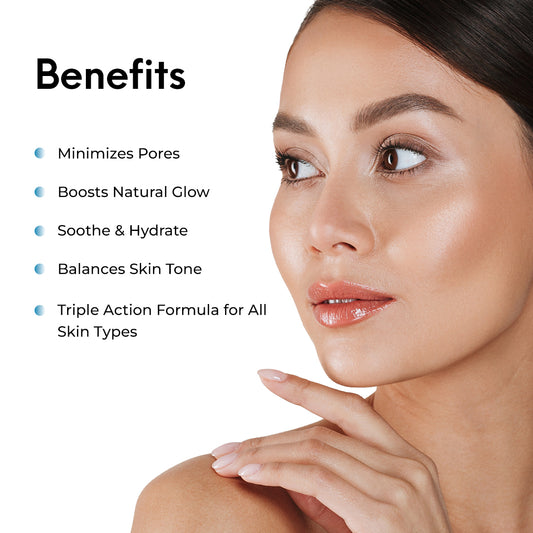
The culprit? Your skin’s pH level. Not your cleanser. Not the season. It's an imbalance in the pH level of your skin. Understanding skin pH is important for healthy and balanced skin. Skin pH level plays a vital role in maintaining overall skin health. When skin pH level stays on its ideal level, it helps protect skin from dryness, irritation and sensitivity.
So let’s get into it. What’s the right pH balance of skin, why does it matter, and which skincare products actually help you skin pH level? All of that, right here.
What is the pH Level of Skin and Why It Matters?
What do you understand from pH? pH stands for Percentage of hydroxyl ions. pH level is a simple way to measure how acidic or alkaline something is. It is measured on a scale from 0 to 14. A lower number means more acidic, a higher number means more alkaline. In simple terms:
-
A pH below 7 is acidic
-
A pH above 7 is alkaline
-
A pH of 7 is neutral
Everyone’s skin has its own natural skin pH, and keeping it there isn’t automatic — it takes the right routine to maintain it.

To keep skin pH level in the normal range is really matter because when it's not balanced your skin becomes dry, tight and rough and can also face issues like clogged pores, acne and breakouts.
What is the Normal pH of Skin and Is Your Skin Balanced?
Let’s talk about the normal pH level of skin. While the pH scale runs from 0 to 14, a normal pH level is considered slightly acidic, somewhere between 4.5 and 5.5. At that number, your skin feels calm, protected, and naturally balanced.
But now the question arises, is your skin pH balanced? You can do it at home. No dermatologist appointment needed. Just a couple of things from the pharmacy and ten minutes of your time.
Step 1: Buy a pH Meter & Strips
Pick up pH testing strips and distilled water from any pharmacy. That’s genuinely all you need to reveal your skin pH level.
Step 2: Prep Your Skin
Cleanse first. Remove any makeup, SPF, whatever’s on your face. Then wait for 30 minutes. Don’t skip this part. Your skin needs time to settle back to its natural state before you test it. Now let’s the test begin.
Step 3: Testing Time
Dampen a strip in distilled water, then press it lightly across different areas — forehead, cheeks, chin. Hold for a few seconds, then match the colour to the chart on the packet. Somewhere between 4.7 and 5.75? You’re balanced. Outside that range? Then you shifted to the skincare products that help to pH balance of skin.
pH of Facial Skin and What Makes It Different from Body Skin?
Your body and face may have the same skin, but they behave differently. Facial skin is thinner, more delicate and constantly exposed to the sun, pollution and other environmental factors. Because of all these things, the facial skin needs more care and balance.
Body skin is much tougher than facial skin, which is why it handle stronger soaps and environmental stress very easily. Body skin pH is also slightly acidic but it depend on the different areas of the body. Facial skin reacts easily show signs of dryness, acne and sensitivity while the body skin doesn’t react easily.
How Different Skin Types React to pH Changes?
Your skin type has a lot to say about how it behaves when pH balance of skin goes off track. The same disruption that leaves one person dealing with excess shine and breakouts can leave another feeling tight, dry, and irritated. Oily and dry skin both have their own needs — and when either moves out of its comfort zone, the reactions are very different from each other.
Oily Skin pH Level and Common Challenges
Oily skin and pH imbalance is a frustrating combination. The excess oil doesn’t just sit there looking shiny — it mixes with dead skin and debris, starts clogging pores, and then the breakouts follow. Naturally, the instinct is to wash more. But that actually backfires. It actually makes your skin produce more oil. What your skin really needs is, something that keeps oily skin pH level balance without making things worse.
Dry Skin pH Level and Signs of Imbalance
Dry skin already has to work harder just to hold onto moisture. When pH climbs too high, that job gets nearly impossible — the barrier cracks, hydration evaporates, and you’re left with that pulled, papery feeling that no amount of moisturiser seems to fully fix. Products you’ve used for ages suddenly start to sting or give different reactions (wrong). The fix isn't just more moisturizer, your skin needs gentle care that actually helps rebuild that barrier over time and help balance dry skin pH level.
What Can Affect Your Skin pH Level?
Your skin’s pH level isn’t just disrupted by skincare mistakes. It’s under pressure from all directions, every single day. Here’s what’s quietly working against it:
1. Skincare Products
That foaming cleanser that leaves your face squeaky-clean? It’s likely pushing your skin alkaline every time you use it. Products that aren’t pH-balanced strip away your natural oils, weaken the barrier, and kick off that familiar cycle of dryness and irritation.
2. Environmental Factors
Sun, pollution, temperature swings — your skin faces all of this before you’ve even had breakfast. These aren’t dramatic one-off events; they’re daily, low-level damage that slowly chips away at your barrier until skin starts looking dull, feeling rough, and reacting to things it never used to.
3. Diet
What you eat shows up on your skin. A diet high in processed foods can cause pH imbalance, while eating nutrient-rich foods helps keep your skin healthy and balanced.
4. Ageing
Here’s something nobody warns you about — as skin ages, its pH drifts naturally toward alkaline. That slow shift weakens the barrier, and the signs are familiar: persistent dryness, new sensitivity, fine lines appearing sooner than expected. It’s not inevitable though. The right routine genuinely helps hold that balance steady for longer.
Choosing pH Balanced Skin Care Products That Actually Work
Walk into any pharmacy and the skincare shelves are overwhelming. But most products won’t tell you what actually matters — whether they work with your skin’s natural pH or quietly against it. Here’s the honest breakdown of what to look for, step by step.
Cleanser
Your cleanser is the first thing touching your skin — and the most likely to disrupt its pH. Anything that leaves your face feeling tight, squeaky, or stripped after washing? That’s not deep clean, that’s damage. A gentle, pH-balanced formula removes what needs removing without taking your barrier with it.
Recommendation: Jeannot Ceuticals Cleansing Milk
Toner
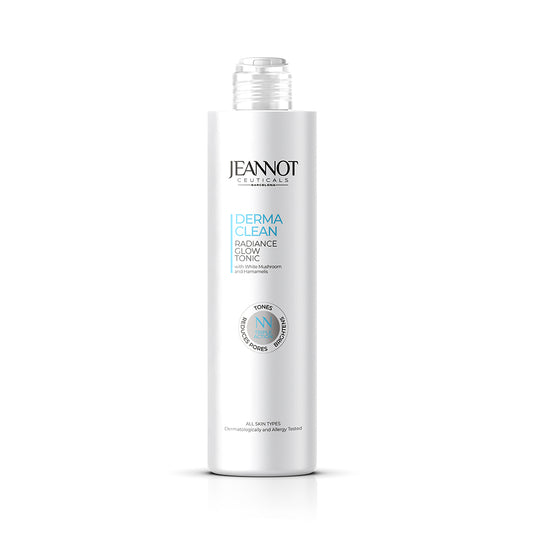
Most people skip toner and don’t realise what they’re missing. A decent one doesn’t sting, doesn’t tighten — it calms skin down after cleansing and preps it properly for whatever comes next. Think of it as resetting the baseline before you layer anything else on.
Recommendation: Jeannot Ceuticals Radiance Glow Tonic (Radiance Toner)
Moisturizer
A lot of moisturisers sit on top of the skin without actually doing much. What you want are ingredients that support the barrier from within — ceramides, hyaluronic acid, the kind of stuff that actually holds moisture rather than just coating the surface. Apply it while your skin is still slightly damp and it absorbs completely differently. Better, every time.
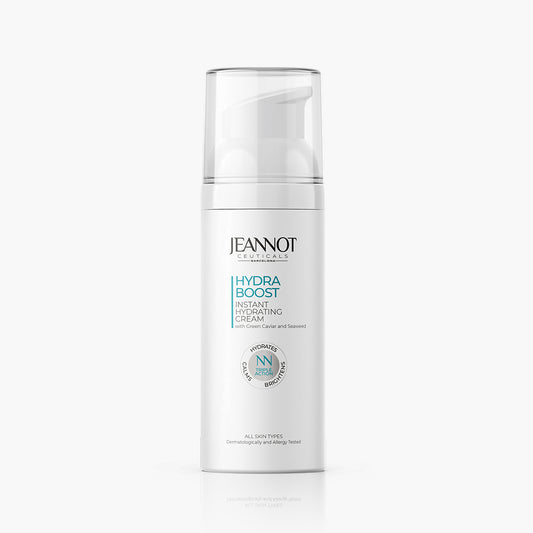
Recommendation: Jeannot Ceuticals Hydrating Cream, Hydrating Serum, Skin Protecting Cream, Daily Detoxifying Serum
Sunscreen
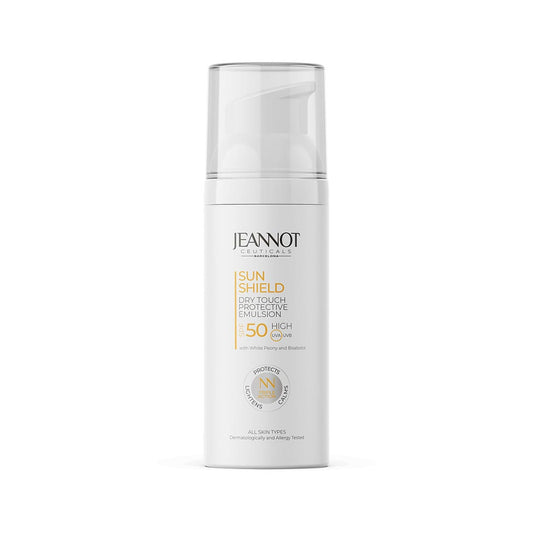
People skip sunscreen for all kinds of reasons — too heavy, too greasy, leaves a white cast. But here’s the thing: none of the other steps matter much if UV damage is quietly undoing them. Lightweight SPF 50 formulas exist that genuinely feel like nothing on skin. Balanced pH or not, this one step stays non-negotiable.
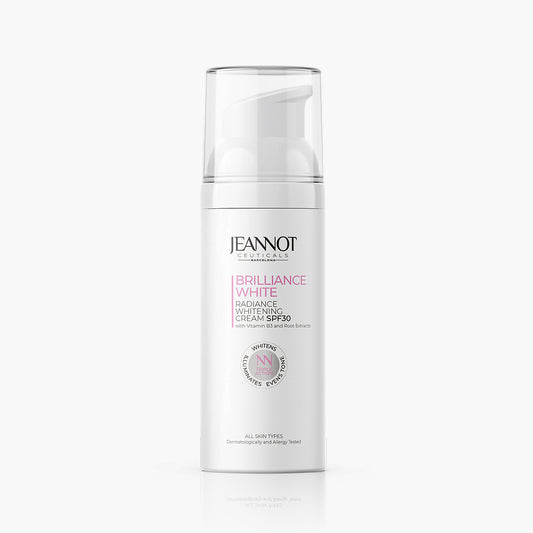
Recommendation: Jeannot Ceuticals Collagen Cream SPF20, Radiance Cream SPF30, Skin Rebalancing Gel Cream SPF 15
Final Thought
Understanding your skin pH level is honestly one of the simplest shifts you can make for healthier skin. Once you know what it is and what throws it off, the rest starts making sense — the dryness, the breakouts, the random sensitivity. It all connects back to this one thing.
Keep it balanced, choose the right products, and your skin will show the difference.
Tags:
Previous
Healthy Skin Tips for Face in High AQI Conditions
Next
Skincare Routine for Summer: Keep Your Skin Fresh & Healthy
Related articles

How to Get Rid of Clogged Pores on Face?
Oct 06 2026
How to Reduce Redness on Face?
Sep 23 2026
How to Reduce Excess Sebum Production on Face?
Sep 21 2026