
Why Skin Loses Collagen: Collagen Deficiency & Early Skin Ageing Signs
You have probably heard the term ‘collagen’, but do you know what it means and what its role in skin firmness and overall skin health?
Collagen deficiency has become a leading problem among people of all ages. Collagen is the most abundant protein in the body. It is a key player in keeping skin looking youthful and vibrant. It composes 20–40% of the protein content of our skin!
However, as we age, the production of collagen reduces. Collagen plays a major role in keeping skin firm, smooth and youthful. That’s why, it’s really essential to protect collagen and boost its production. Through this blog, we’ll let you know how you can really protect your skin from collagen loss for younger, healthier skin.
What Is Collagen and Why Does Skin Depend on It?
So, basically, collagen is a protein in our body and a key building block of healthy skin. Although our bodies have many different types of collagen- at least 28. But for the skin, the most important types are 1 and IV, which are found in the deeper layer of skin. Collagen works like a framework that keeps the surface smooth, firm and resilient.
Have you seen someone aged 30 to 40 with plump and youthful skin? Then the reason behind it is good collagen production in their body, that’s why their skin looks supple, plump and literally glowing.
When collagen levels are healthy your skin looks tight, hydrated and even toned. But daily environmental factors or lifestyle affect the collagen level whereby skin starts to lose its firmness, and flexibility leads to ageing issues.
How Skincare Supports Skin Affected by Collagen Loss?
As we age, the loss of collagen increases and causes our skin to lose its firmness. But you will be happy to know that the right skincare products can help rebuild collagen production. We’ll share how skincare products assist in boosting collagen levels and how you can protect what you already have so it stays in prime condition for the future.
Incorporating collagen based skincare products in your daily routine boosts and protects the collagen production. Buy a Pro collagen concentrate serum to support skin’s firmness, hydration and overall skin texture. A powerful collagen serum which contains proven researched ingredients which genuinely support skin affected by collagen loss and also preserve the collagen for today and tomorrow. To reduce the look of fine lines and wrinkles for the future make a part of collagen based serum in the skincare routine.
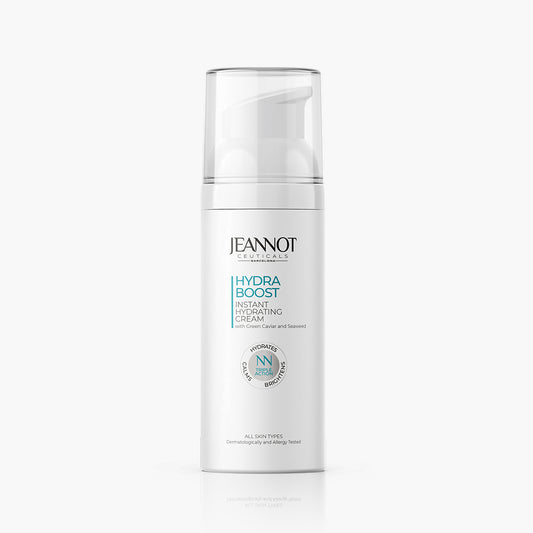
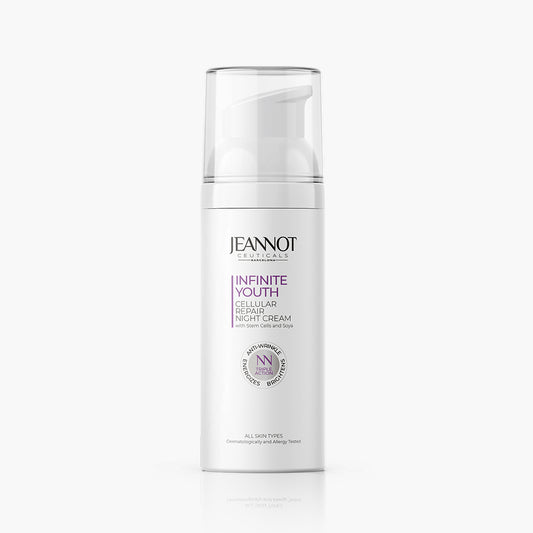
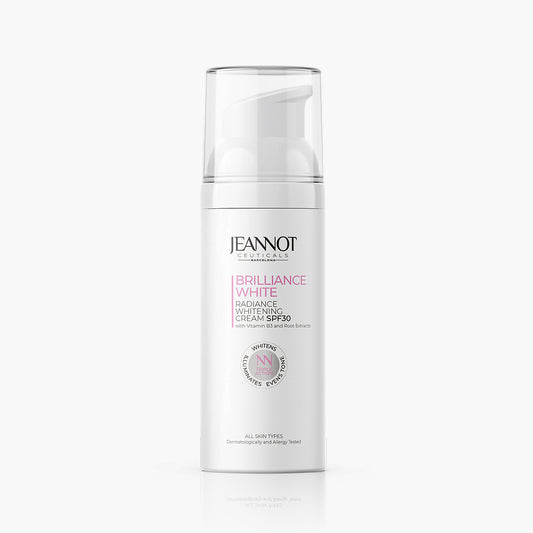
To lock in the benefits of serum, apply a collagen based firming cream. This will help to visibly repair the signs of ageing and increase the skin’s capacity to repair and firm. You can opt for the Jeannot Ceuticals Collagen Cream SPF 20, This cream is loaded with the best ingredients that support skin affected by collagen loss, improving skin elasticity and reducing fine lines & wrinkles. The best part of the pro collagen firming cream contains SPF 20 that provides protection against harmful UV rays.
Why Does Skin Lose Collagen Over Time?
Our bodies slow down the collagen production as we get older, which is a natural process. From our mid, 20s, the collagen production starts to fall at a rate of approximately 1% a year. The decrease becomes quite evident by the time we hit our 40s and 50s.
Biological Factor: Genetics is probably the biggest factor in how fast our body loses collagen. You may be one of those people whose genes break down collagen so quickly that their skin ages visibly sooner.
The influence of our hormone changing plays a big role in collagen loss. The drop in estrogen, when a woman is going through menopause, significantly impacts collagen levels. Estrogen is very important for collagen production in the skin. Therefore, when it decreases, you can expect your skin to become significantly less soft and less firm.
External Factor: Although Natural ageing is inevitable but some external factors are the culprits in collagen degeneration. And one of them is UV exposure. Often, people step out home without applying sunscreen, but they don't know how badly these rays can affect their skin. UV rays directly penetrate the skin and disrupt the collagen, which leads to premature aging.
Environmental factors like stress, pollution and poor diet are also causes of collagen loss. Pollutants cause the formation of free radicals which are capable of damaging collagen and skin structures.
In your diet, you really need to add vitamin C and amino acid nutrients. A deficiency in these nutrients can result in collagen loss and thus, show the signs of premature ageing.
Is Collagen Deficiency Affecting Your Skin?
Of course! A lack of collagen in your body can subtly change the appearance and texture of your skin. Collagen is a skin protein that provides firmness, smoothness, and elasticity. However, the production of collagen is reduced over time as a result of ageing. It usually happens due to sun exposure, stress, poor nutrition, or smoking.
Collagen deficiency in the body leads to fine lines, wrinkles, sagging, and loss of skin elasticity at an early age. Your skin also becomes thinner or appears dull and tired. Although collagen depletion is an inevitable part of ageing, getting enough nutrients, protecting yourself from the sun, and using suitable skincare products can significantly slow down the skin ageing process and keep your skin looking healthier and younger for longer.
Low Collagen Symptoms You May Notice on Your Skin
Here are 5 major low collagen symptoms you may notice on your skin.
Loss of Skin Firmness
As time passes, your skin may start feeling looser or less firm around the cheeks and jawline. It doesn’t bounce back when touched, giving the face a slightly tired or sagging appearance over time.
Increased Dryness
Lower collagen levels make it harder for your skin to retain moisture, leading to tight, rough or flaky patches even after proper cleansing and moisturising.
Uneven Skin Texture
You might notice your skin feels rough instead of smooth. Fine bumps, pores or patches become more visible due to collagen loss.
Slow Healing Process
Breakouts, small cuts or marks may take longer to heal than expected because collagen supports skin repair and renewal; when levels decline, recovery processes become slower.
Increased Sensitivity
Over time, skin can become increasingly reactive to skincare products, weather changes and pollution. Redness, irritation or mild itching particularly happens because of the low collagen. Low collagen level weakens its protective function and weakens the barrier that covers it.
4 Simple Habits to Prevent Collagen Loss
Reduce Sun Exposure & Use SPF Daily
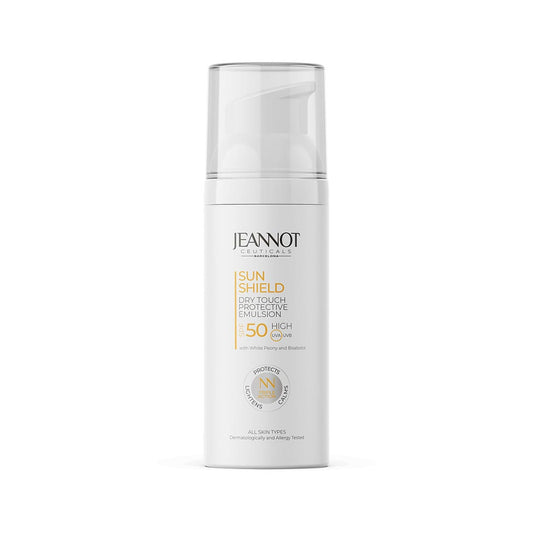
UV rays affect the production of collagen in the skin. The oxidant produced by UV rays disrupts the production of collagen and accelerates the ageing process. To prevention of it, first limit the time of sun exposure and most importantly apply board spectrum sunscreen with at least SPF 30. Even on indoor or cloudy days, you should wear sunscreen. This helps to protect your skin from harmful rays and preserve collagen stores.
Include in Your Diet Collagen Rich Food
What you eat plays a circular role in collagen loss and boost. So, always add in your meal collagen rich food such as fish, chicken and green leafy vegetables. These foods provide a good source of collagen. Vitamin C enriched food like citrus foods, berries and bell peppers are proven helpful in collagen production. If you want firm and youthful skin, then you should definitely have a balanced diet.
Reduce Consumption of Fats & Sugar
High consumption of fat and sugar can affect your collagen level. High levels of sugar in the body lead to the process of glycation, where sugar molecules in the body bind themselves to collagen and elastin. This process directly affects the production of collagen and makes skin appear older in your 30s. Limiting the fats in processed foods, sugary snacks, and excessive saturated fats improves your skin’s health and helps preserve collagen levels.
Stay Hydrated
Hydration is important not only for your skin but also for overall health. Dehydrated skin appears dull, tired and prematurely aged because of a lack of water. Drink at least 8 glasses of water throughout the day and include hydrating foods like cucumber, watermelon, and strawberries in your diet.
Final Thought
Collagen is an important factor in keeping skin firm and youthful. The modern lifestyle, environmental factors, and lack of awareness are the reasons for the collagen loss. With the right Collagen based skincare products and little modification in your lifestyle, you can restore the collagen level in the body.
By purchasing the best collagen based skincare products from Jeannot Ceuticals, you can ensure your skin is protected.
Frequently Asked Questions (FAQs)
1. What causes collagen loss in the skin?
Collagen reduces naturally with age, but sun exposure, pollution, stress, smoking, poor diet, and lack of sleep speed up its breakdown and weaken skin over time.
2. What are the early signs of collagen deficiency on the skin?
Fine lines, loss of firmness, dullness, rough texture, and skin that looks less plump are some early signs of collagen loss.
3. At what age does skin start losing collagen?
Collagen production usually starts slowing down in the mid-20s, with visible skin changes becoming more noticeable in the early 30s.
4. Can skincare products really help boost or protect collagen?
Ingredients like vitamin C, retinol, peptides, in skincare products and sunscreen help protect existing collagen and support skin repair.
5. How can I prevent further collagen loss in my skin?
Use sunscreen daily, apply collagen based skincare products, eat well, stay hydrated, and get enough sleep to slow down collagen loss and keep skin healthy.
Tags:
Previous
Skin Care Routine for Men: A Simple Guide You Can Actually Follow
Next
Healthy Skin Tips for Face in High AQI Conditions
Related articles
How to Get Rid of Clogged Pores on Face?
Oct 06 2026

How to Reduce Redness on Face?
Sep 23 2026

How to Reduce Excess Sebum Production on Face?
Sep 21 2026